Comprehensive Guide to Fixing Your Teeth
This guide offers an in-depth exploration of dental solutions for teeth restoration. "Quiero Arreglar Mis Dientes" conveys the desire to improve one's dental health. This sentiment is particularly resonant in Palpalá, translated as "palpalá," signaling a place where finding accessible dental care is crucial. The article delves into solutions like low-cost dental implants, beneficial for those seeking affordable options.
Introduction to Dental Restoration
For many, saying "Quiero Arreglar Mis Dientes" echoes a personal goal of achieving optimal dental health. Whether you're located in or near Palpalá, the journey to enhancing your smile is a universally shared ambition. This comprehensive guide aims to demystify the process of dental restoration, focusing primarily on modern solutions like dental implants and exploring affordable paths to achieving dental well-being. Dental restoration is not just about cosmetic improvement. It's an integral part of maintaining overall health. Poor dental health can lead to various physical health issues, including heart disease, diabetes, and even digestive problems. Understanding the importance of dental restorations becomes crucial not just for aesthetic reasons but for preserving your overall health and well-being.
Understanding Dental Implants
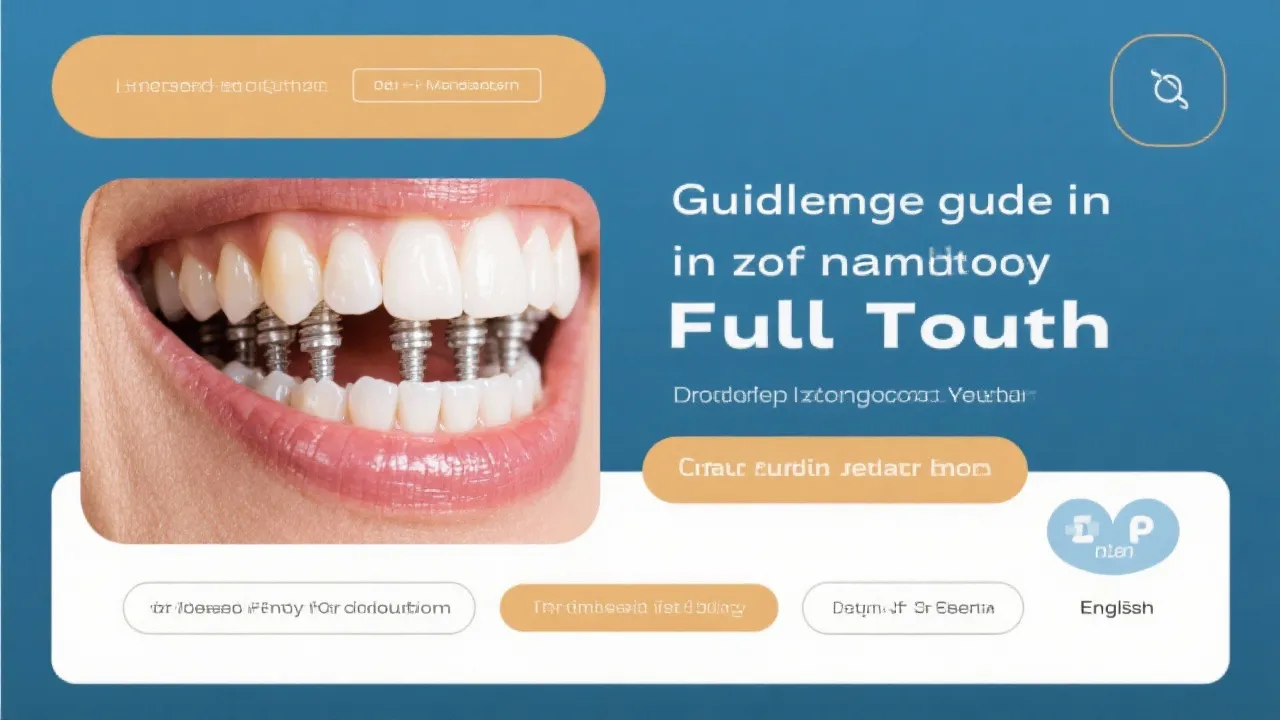
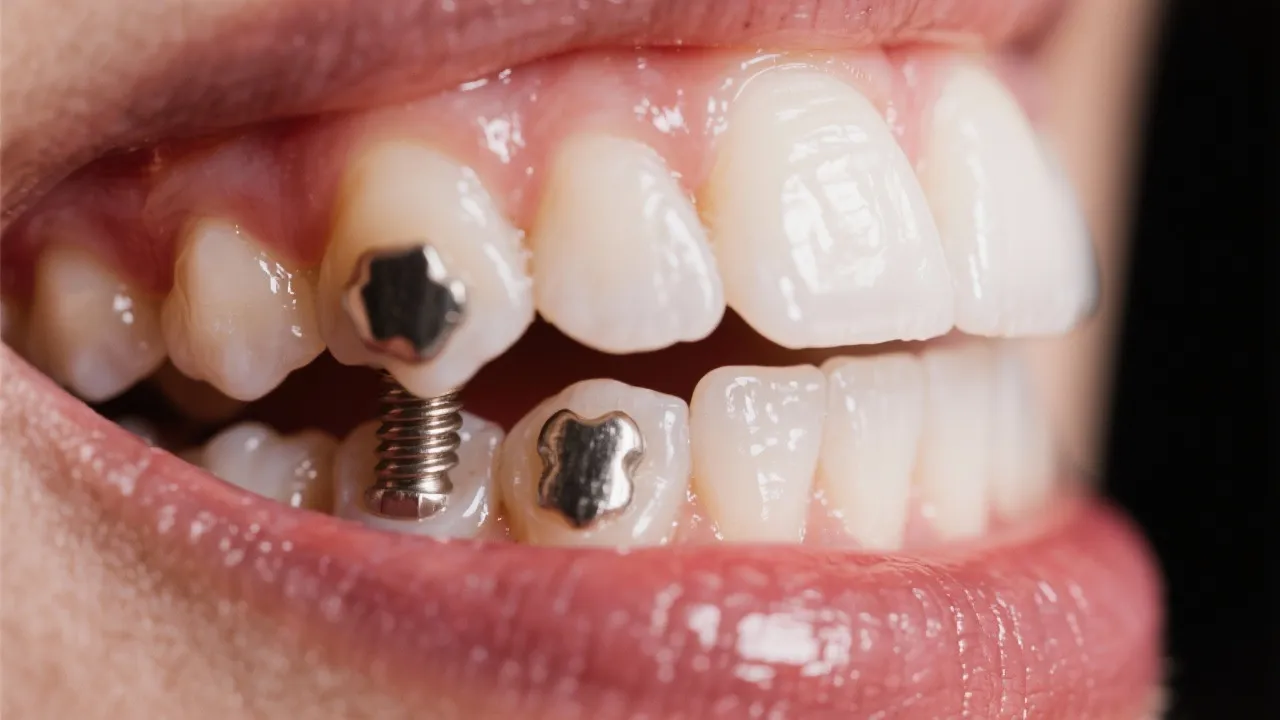
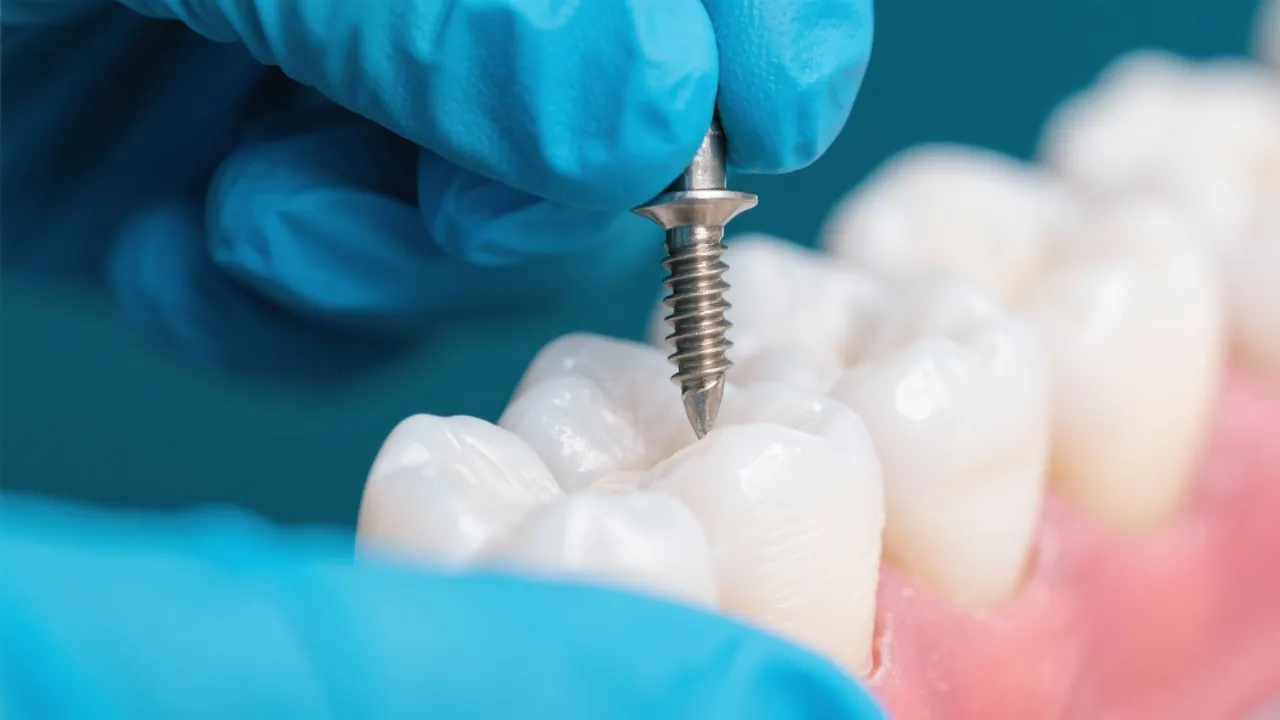
Dental implants serve as a preferred solution for those seeking to replace missing teeth. Designed to provide a natural look and feel, these implants are surgically placed into the jawbone, offering a sturdy foundation for artificial teeth. This guide will delve into the benefits, types, and typical costs associated with dental implants, emphasizing their advantage over traditional dentures and bridges. The journey to dental implants typically begins with a thorough evaluation by a dental professional, who will assess the health of your gums and the density of your jawbone. This assessment is critical as it determines if you are a suitable candidate for implants. For those with insufficient jawbone density, bone grafting may be necessary prior to implant placement. This procedure involves transplanting bone tissue to create a solid foundation for the implants. Understanding this initial step is vital as it can extend the timeline for receiving your dental implants.
Benefits of Dental Implants
- Natural Appearance: Dental implants closely resemble natural teeth, maintaining the aesthetic integrity of your smile. Unlike dentures, which can slip and affect speech, implants are securely anchored, providing confidence in both appearance and functionality.
- Durability: When properly maintained, they can last for several years, offering a reliable long-term solution. Many patients report satisfaction with their implants lasting a decade or more when cared for properly through diligent oral hygiene and regular dental check-ups.
- Bone Health: Implants help in preserving bone density, preventing further bone loss that can occur with missing teeth. This is particularly important as jawbone deterioration can lead to further dental complications, including the misalignment of remaining teeth.
- Improved Oral Function: Dental implants restore full chewing power, allowing you to eat your favorite foods without discomfort. This improvement in function can significantly enhance your quality of life and prevent nutritional deficiencies.
- Convenience: Unlike dentures, dental implants do not require messy adhesives and can be cared for like natural teeth, which often translates into a more straightforward daily routine.
Accessing Low-Cost Dental Implants
Achieving a cost-effective dental treatment requires careful planning and research. Below, we've compiled a detailed table that compares several websites offering information on low-cost dental implants, assisting individuals in making informed decisions regarding their dental care. It is important to recognize that while cost is a critical factor, it should not be the only consideration. The quality of care and the credentials of the dental practitioners should also weigh heavily in your decision-making process. Lower costs can sometimes be associated with an increase in risk factors; therefore, seeking reviews and testimonials from previous patients can provide valuable insight.
| Website Name | Specialty |
|---|---|
| Dental Views | Offers low-cost implant solutions with detailed informational resources and patient testimonials. |
| Atlantic Dental Group | Provides a wide range of services, including affordable dental care and financing options for patients. |
| DentaVacation | Facilitates dental tourism to help save on treatment costs while ensuring quality care in various international locations. |
source: [www.dentalviews.com](https://dentalviews.com), [www.atlanticdentalgrp.com](https://www.atlanticdentalgrp.com), [www.dentavacation.com](https://www.dentavacation.com)
Cost of Dental Implants in Spanish-speaking Countries
Comparing costs across different regions can provide clarity for those considering dental tourism or seeking treatment locally. Here is a breakdown of dental implant costs across several Spanish-speaking countries. It’s crucial to understand not only the costs involved but also what those costs include. For example, the price of implants may cover the consultations, the actual implant, the abutment, and the crown, but ensure to clarify what the prices quoted encompass. Patients should be vigilant regarding any additional fees that may arise during the treatment process, such as x-rays, anesthesia, or follow-up visits, which may not be included in the preliminary quotes.
| Country | Currency | Price Range |
|---|---|---|
| Spain (ES) | EUR | €1,500 - €2,500 |
| Chile (CL) | CLP | CLP$800,000 - CLP$1,500,000 |
| Mexico (MX) | MXN | $15,000 - $25,000 |
| Colombia (CO) | COP | $2,000,000 - $4,000,000 |
| Peru (PE) | PEN | S/3,000 - S/6,000 |
| Argentina (AR) | ARS | $80,000 - $150,000 |
Steps to Obtain Dental Implants at Low Cost in Spanish-speaking Countries
Finding affordable dental implant options involves multiple strategies. Here are some detailed steps you can follow:
- Research: Utilize online resources like DentaVacation and Dental Views to compare prices across different countries. Look for verified reviews and ratings of dental clinics to ensure quality service. Online forums and social media can be particularly helpful in gathering real experiences from other patients.
- Consultations: Seek consultations from local and international dental clinics to get multiple perspectives and quotes. During the consultations, ask about the dentist's experience with implants, the materials used, and the specific procedures involved. This information will help you gauge each clinic's credibility.
- Insurance: Check if your health insurance covers dental treatments abroad to minimize out-of-pocket expenses. Some insurance plans offer partial coverage for international dental work, making treatment far more affordable.
- Plan for Follow-Ups: Ensure that your chosen clinic offers appropriate post-operative care and follow-up visits, which are essential for the successful healing and longevity of implants.
- Ask About Warranty: Discover whether the clinic offers a warranty on implants or related procedures, which can provide peace of mind and potential cost savings in case of a failure.
FAQs
Q: How long do dental implants last?
A: With proper care, dental implants can last for a lifetime, making them a sound investment in your health and well-being.
Q: Are dental implants painful?
A: The procedure involves anesthesia, and most patients report minimal discomfort thereafter. Post-surgery, patients can typically manage any recommended discomfort with over-the-counter painkillers.
Q: Can anyone get dental implants?
A: Sufficient bone density is required, and thus a dental assessment is essential to determine eligibility. Conditions like uncontrolled diabetes, heavy smoking, and certain autoimmune diseases may affect eligibility. Your dentist may suggest treatments to mitigate these factors before considering implants.
Q: Are there alternatives to dental implants?
A: Yes, alternatives include dental bridges and partial dentures. Although these may be less expensive, they do not preserve bone health as implants do, and they can lead to further oral health issues down the line.
Q: How should I care for my dental implants?
A: Dental implants should be cared for just like natural teeth with regular brushing, flossing, and professional dental cleanings to ensure they remain in tip-top shape.
Conclusion
Dental restoration, particularly through implants, offers a viable solution for those keen on saying "Quiero Arreglar Mis Dientes." Located near Palpalá or elsewhere, this guide aims to illuminate affordable pathways to achieving a wholesome smile, underscoring the practicality and benefits of modern dental technology. By understanding the various aspects involved in the dental restoration process, from initial consultations to post-operative care, individuals can embark on their journey with confidence. A beautiful smile enhances not only appearance but greatly contributes to improved self-esteem and overall quality of life. Investing in dental health is an investment in overall health, as the mouth is closely linked to the body’s wellbeing.
Disclaimer: The above information comes from online resources, and the data is as of October 2023. Dental implant prices are for reference only and may vary by region, clinic, and doctor. Always consult with a dental professional for personalized advice and treatment options.
Reference links: [www.dentalviews.com](https://dentalviews.com), [www.atlanticdentalgrp.com](https://www.atlanticdentalgrp.com), [www.dentavacation.com](https://www.dentavacation.com)