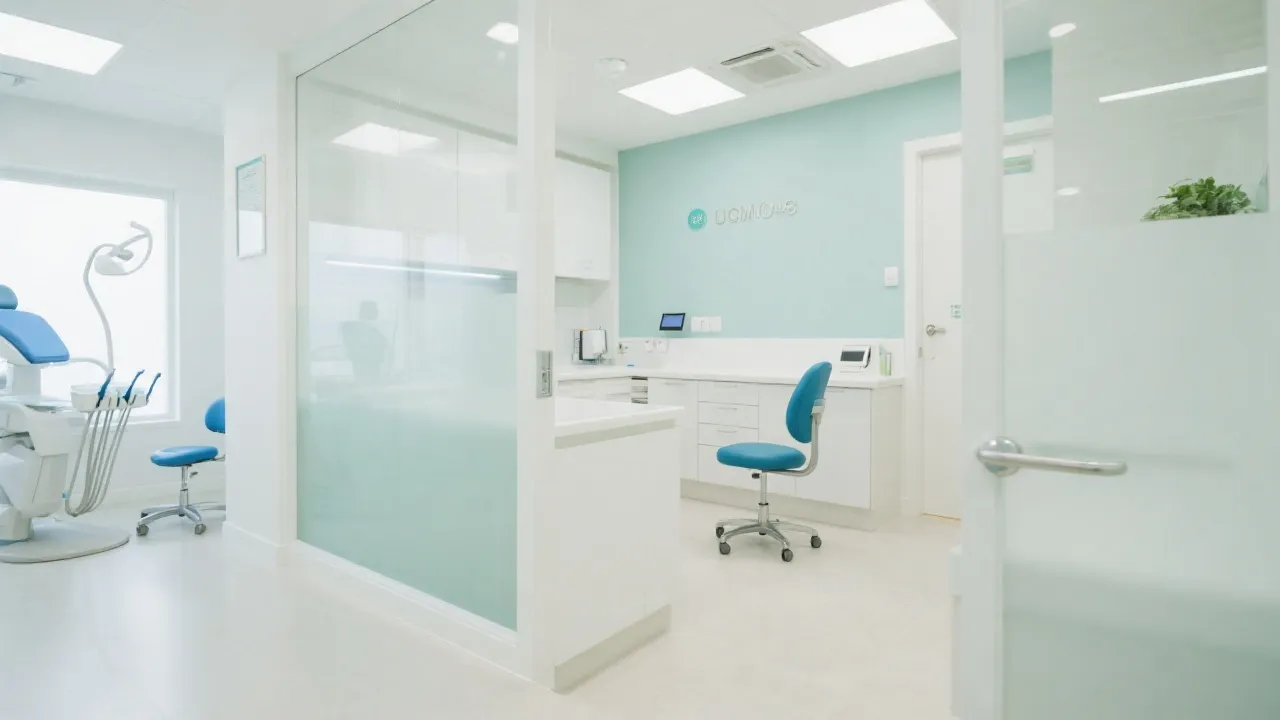
Finding Dental Implant Clinics Nearby
Discover how to locate dental implant clinics offering affordable solutions in your vicinity. Dental implants are increasingly becoming a popular option for those needing to replace missing teeth. This comprehensive guide explores local dental implant services, highlighting cost-effective solutions and explaining what to expect during the process.
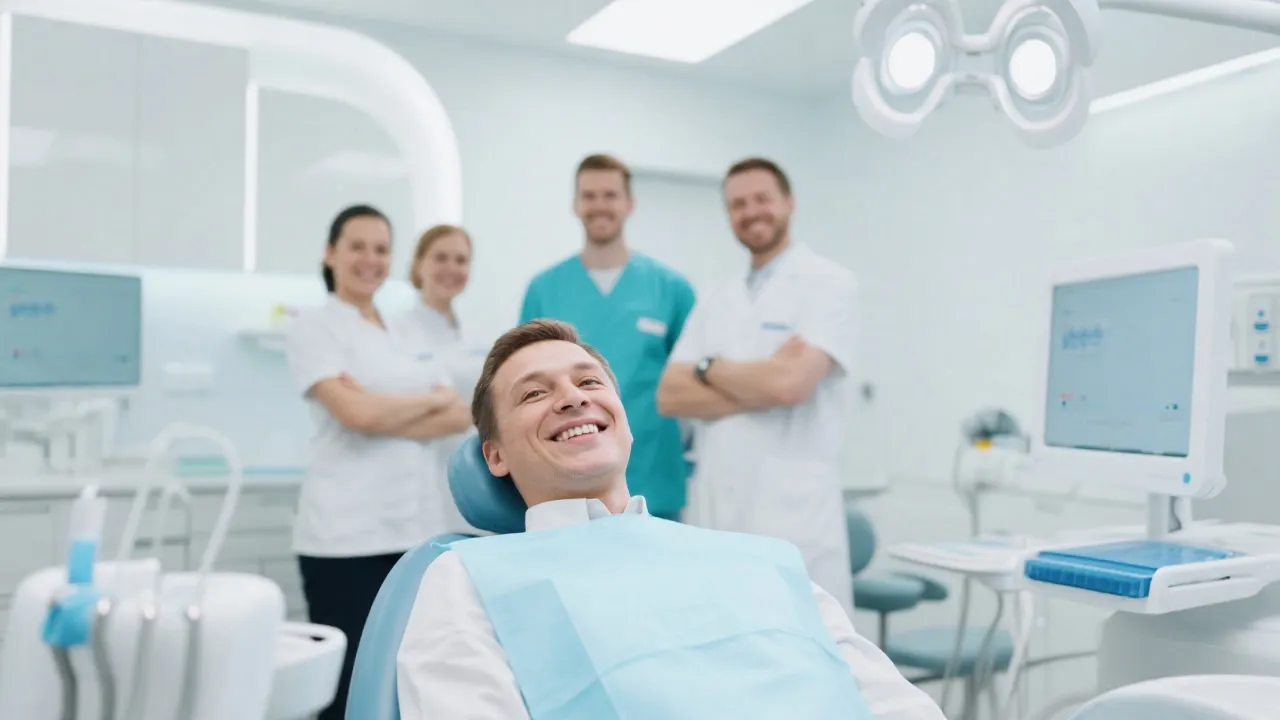
Exploring Dental Implant Clinics Nearby
For individuals seeking to restore their smile and dental function, understanding how to find "dental implant clinics near me" and evaluating their services is crucial. Dental implants provide a stable and aesthetic solution for replacing missing teeth, and their popularity stems from their durability and natural appearance. Searching for nearby clinics makes sense for ease of access, personalized care, and follow-up visits.
In recent years, the advent of technology has significantly improved the dental implant procedure. Innovations such as 3D imaging allow for a more accurate diagnosis and treatment plan, giving patients the benefits of personalized care right within their local vicinity. Moreover, digital tools have made it easier than ever to locate dental clinics that specifically specialize in dental implant services.
When searching for dental implant clinics nearby, it's important to consider multiple factors, such as the credentials of the dental professionals, the types of implants offered, and the technology used in procedures. Building a relationship with a local dental team can also foster better communication, which is vital for managing anxiety around dental work, ensuring a smoother experience throughout the entire process.
Understanding Dental Implants
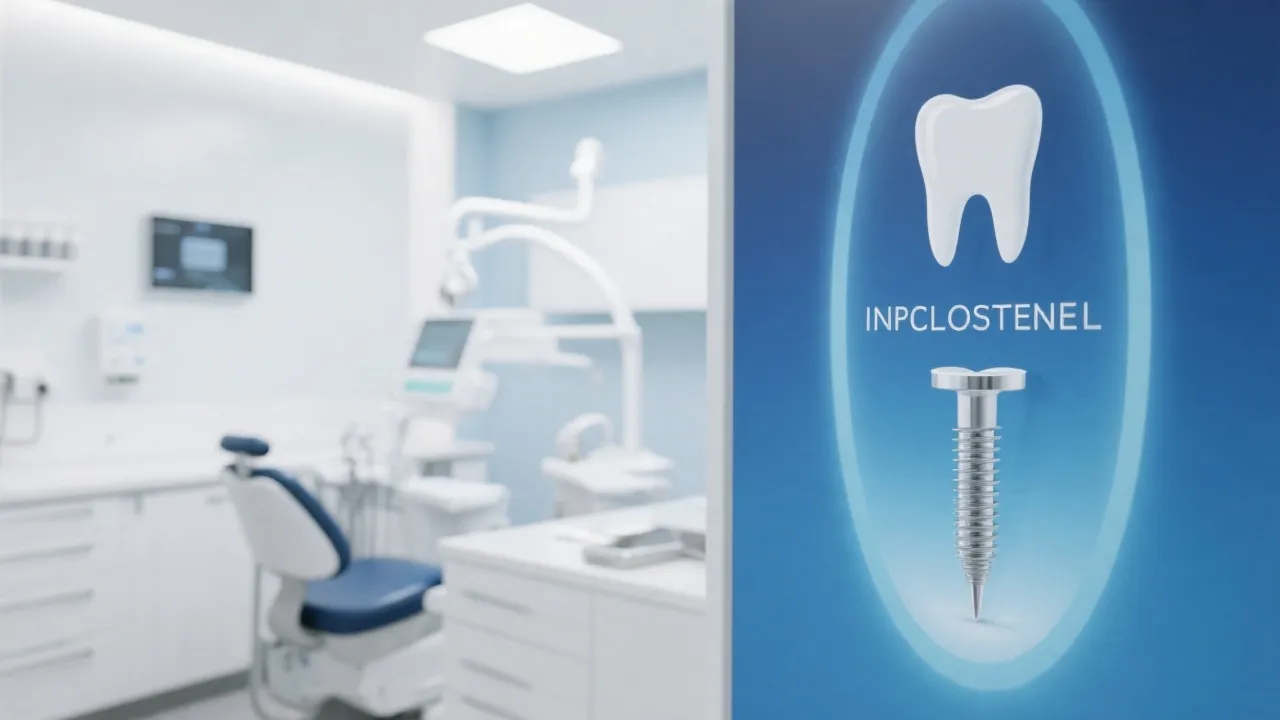
Dental implants serve as a good solution to restore both the function and appearance of lost teeth. Typically, an implant comprises three main components: the implant post, which is surgically inserted into the jawbone; the abutment, which connects the implant to the crown; and the crown, the visible part that resembles a natural tooth. This process involves precise surgical techniques and can provide lasting benefits for oral health.
Understanding the anatomy of a dental implant can demystify the process for those considering it. The implant post acts like a root, providing stability and preventing the bone loss that can occur when a tooth is lost. The abutment is akin to a connector, allowing the crown, which is custom-made to mimic your natural teeth, to be attached seamlessly. This comprehensive structure ensures functionality, aesthetic appeal, and overall mouth health.
Furthermore, the choice of materials is crucial in the process. Most dental implants are made from titanium, which is favored for its strength and biocompatibility, meaning it integrates well with bone tissue without causing rejection. Some patients may also consider ceramic implants, which are entirely metal-free and can be a good option for those with allergies or sensitivities.
Locating Affordable Dental Implant Services
There is an increasing interest in finding clinics offering low-cost dental implants without compromising quality. Factors influencing affordability include the clinic's reputation, location, and the complexity of the procedure. The following table provides a brief comparison of websites showcasing affordable dental implant services:
| Website | Features |
|---|---|
| Dental Views | Offers detailed implant process information, cost transparency, and patient FAQs. |
| Atlantic Dental Group | Comprehensive dental services, with easy appointment scheduling and professional team details. |
| DentaVacation | Facilitates dental tourism for cost savings, providing cost comparisons and travel arrangements. |
Source: Dental Views, Atlantic Dental Group, DentaVacation
Patients searching for affordable options should also keep an eye out for promotional events or financing plans offered by clinics. Many dental practices recognize the financial barriers associated with extensive dental work and provide flexible payment options to assist patients.
Cost Ranges for Dental Implants in Nearby Countries
The cost of dental implants can vary significantly across different regions. Here’s an overview of the typical cost ranges you might encounter when exploring dental implants in English-speaking countries:
| Country | Currency | Price Range |
|---|---|---|
| United States | USD | $3,000 - $6,000 |
| United Kingdom | GBP | £2,000 - £2,500 |
| Australia | AUD | AU$3,500 - AU$6,500 |
| Canada | CAD | CA$3,000 - CA$5,500 |
When evaluating costs, it's essential to consider what is included in the price. Some clinics may have additional fees for consultations, imaging, or follow-up visits that could impact the overall expense. Ensure to clarify these details when discussing with potential dental providers.
Factors Affecting Dental Implant Costs
Several factors can influence the cost of dental implants beyond geographical location and clinic reputation. Understanding these factors can better inform your decision-making process:
- Number of Implants Required: Naturally, the more implants you need, the higher the cost. Some patients may require full mouth implants, which can significantly increase expenses.
- Type of Implant: Different types of implants, such as traditional, mini, or all-on-4, are priced differently based on their complexity and the materials used.
- Bone Grafting: Some patients may need additional procedures like bone grafting to ensure sufficient jawbone density for the implants, adding to the overall expense.
- Geographical Variance: As previously noted, costs can vary widely between countries and even within various regions in the same country, affecting the average price of receiving implants.
FAQs about Dental Implants
- What are dental implants made of?
Dental implants are typically made from biocompatible materials like titanium and zirconium, known for their compatibility with body tissues. - How long do dental implants last?
With good oral hygiene and regular dental visits, implants can last a lifetime, making them a cost-effective choice over time. - Are dental implants safe?
Yes, dental implants are considered a safe and reliable procedure when performed by qualified professionals. - What is the recovery time for dental implants?
The recovery time can vary between individuals, but generally, it takes a few months for the implant to fully integrate within the jawbone. During this period, temporary crowns may be used. - Do dental implants hurt?
Most patients report minimal pain during and after the procedure. The use of local anesthesia during the surgery helps manage discomfort effectively.
Steps to Acquire Dental Implants at Reduced Costs
Navigating the pursuit of low-cost dental implants involves several strategic steps:
- Research and Compare: Use online resources to compare costs and read reviews of various clinics. Many patients find social media platforms and review websites helpful in gathering input from previous patients.
- Consultation: Schedule initial consultations to understand treatment plans and receive quotes. During the consultation, discuss any concerns and ask about the materials and techniques the dentist will use.
- Dental Tourism: Consider traveling to nearby countries where dental implant procedures may be less expensive. Research the quality of care and consider the overall travel and accommodation costs involved.
- Insurance and Financing: Explore potential insurance coverage and financial plans that might cover part of the costs. Some providers may offer payment plans to spread the expense over time.
When consulting with dental professionals, ensure you are completely informed about the steps involved and what to expect during the recovery process. Clear communication can help alleviate anxiety and ensure a successful implant experience.
Preparing for Your Dental Implant Procedure
Preparing for your dental implant procedure can significantly influence the outcome and your comfort during the process. Here are some essential steps to take prior to the procedure:
- Health Evaluation: Ensure your overall health is assessed. Certain medical conditions can affect the success rate of implants, so a thorough evaluation is essential.
- Dental Assessment: A detailed examination of your dental health, including X-rays and possibly 3D imaging, will help determine the best course of action.
- Medication Review: Discuss your current medications with the dentist, as some may interfere with the surgery or recovery process.
- Understand Aftercare: Know what your aftercare will entail so you can plan accordingly. This includes understanding medications for pain management and dietary restrictions.
- Arrange Transportation: Plan for someone to drive you home following the procedure, especially if sedation will be used.
What to Expect After Dental Implant Surgery
Understanding what to expect after your implant surgery can help alleviate anxiety and enable you to prepare for a smooth recovery. Here’s a rundown of common post-operative experiences:
- Pain Management: Mild discomfort and swelling around the surgical site are common. Your dentist will likely prescribe pain medication or recommend over-the-counter options.
- Dietary Adjustments: Soft foods and liquids should be prioritized during the initial recovery phase. Avoid sticky, hard, or sharp foods that could disturb the surgery site.
- Hygiene Practices: Maintaining oral hygiene is essential in the healing process. However, you'll need to be gentle around the surgical site. Your dentist may offer specific instructions on caring for your mouth.
- Follow-Up Visits: Regular follow-up appointments will be necessary to monitor your healing progress. During these visits, the dentist may check the implant stability and overall recovery.