Finding Dental Implant Clinics Nearby
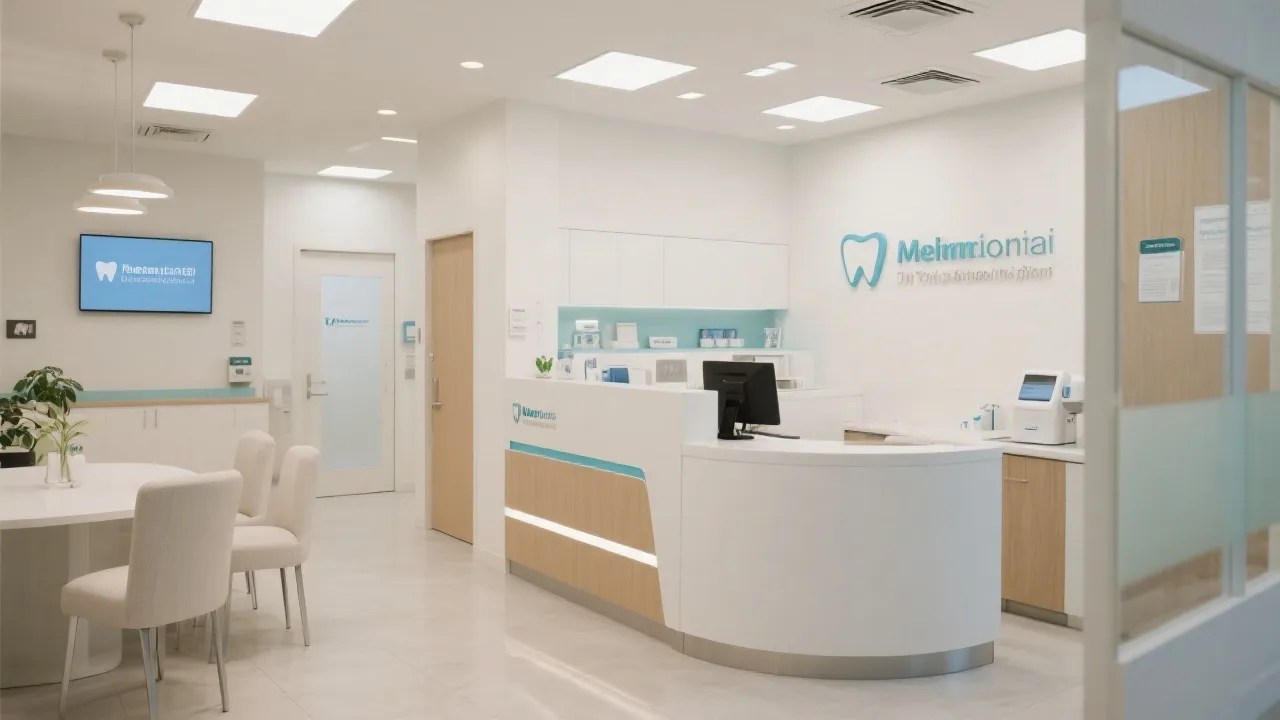
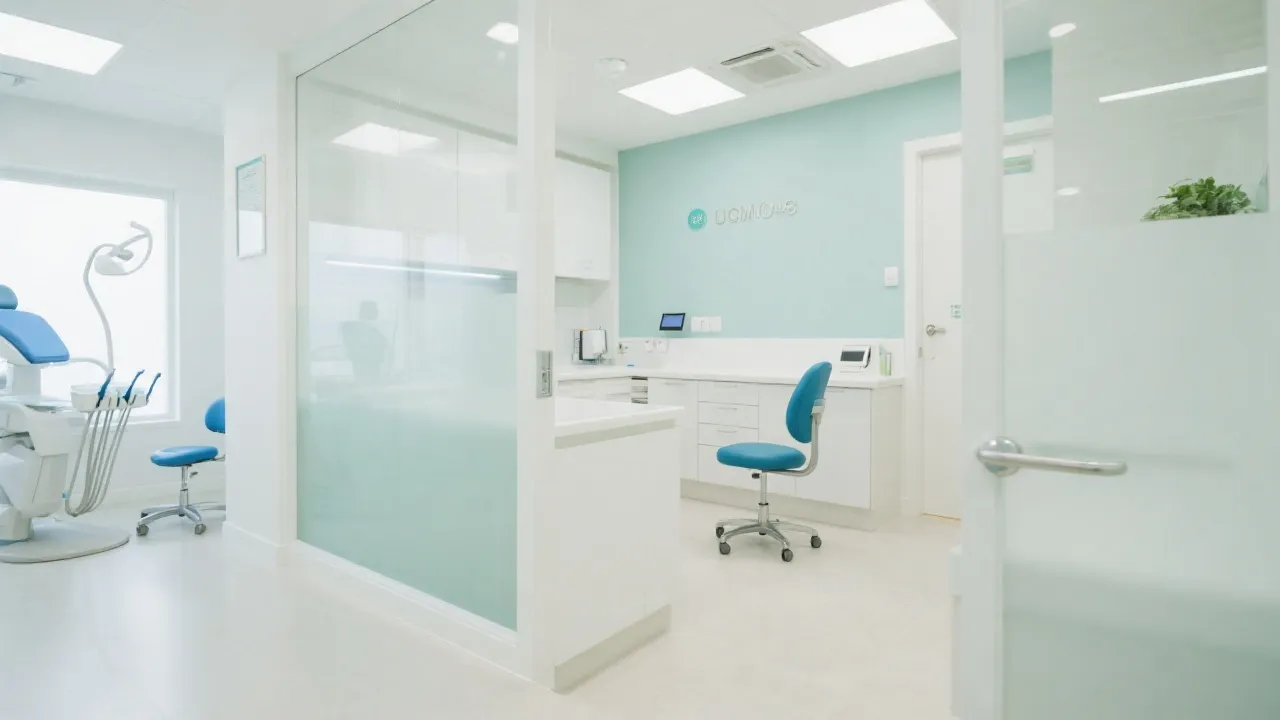
This guide focuses on the top ways to search for dental implant clinics nearby and highlights the advantages of dental implants for oral health. Dental implants are artificial teeth roots made from titanium, which support crowns, bridges, or dentures. Understanding the types of dental services available and their associated costs is crucial for patients considering this good oral health solution.
Introduction to Dental Implants
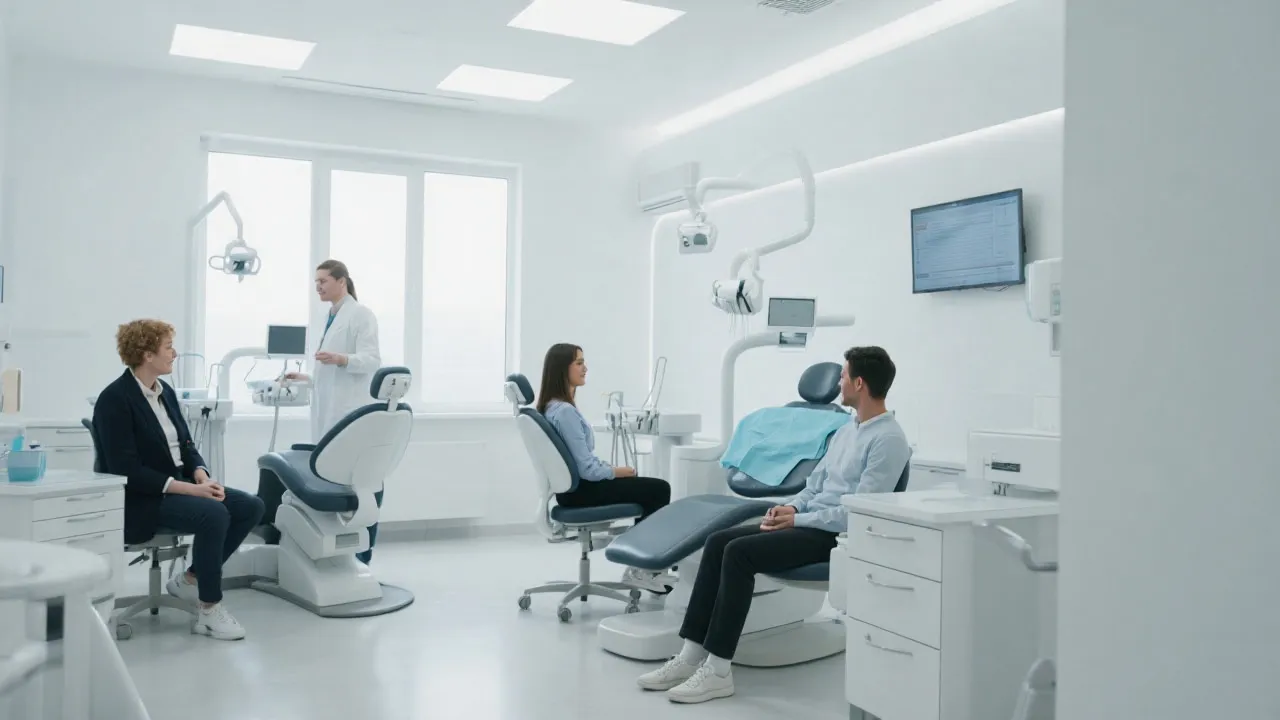
In today's world, dental implants have become increasingly popular as a viable solution to tooth loss. As a good alternative to dentures, implants offer not only functional benefits but also aesthetic advantages, restoring confidence in many individuals. If you are looking for "Dental Implant Clinics Near Me," this guide will help you understand the process, cost considerations, and important factors to consider before choosing a clinic.
What Are Dental Implants?
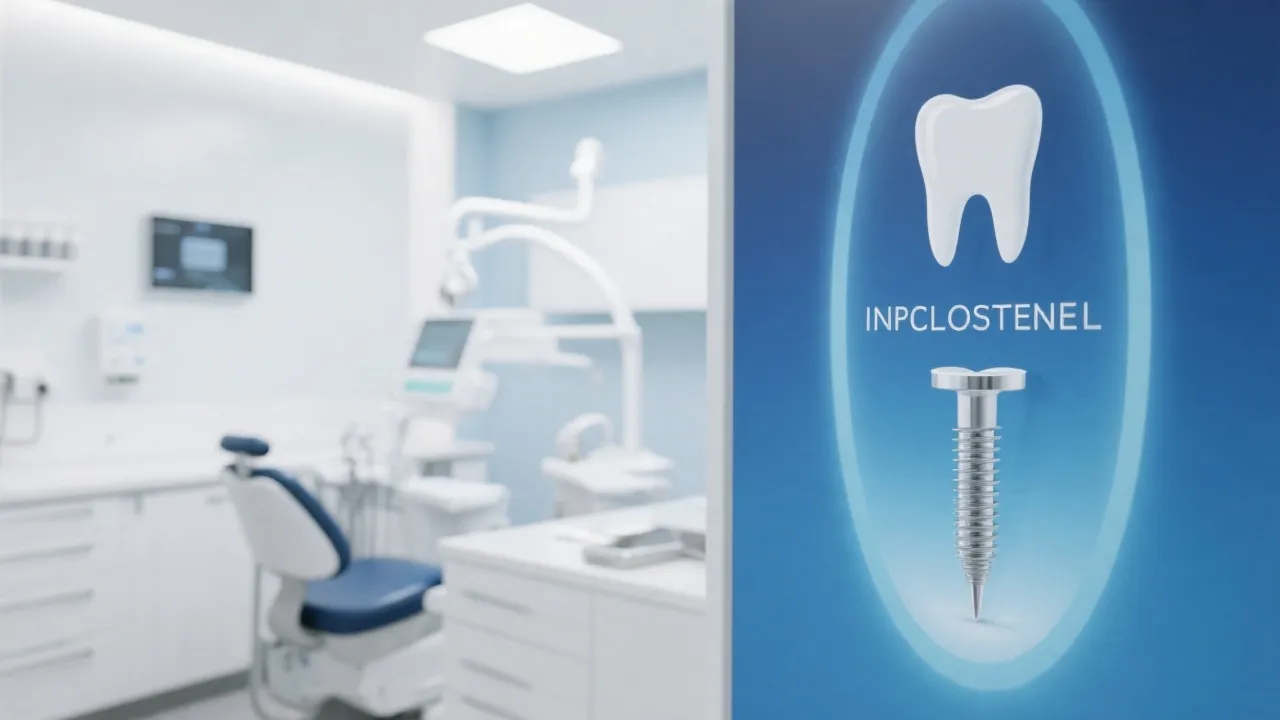
Dental implants act as artificial tooth roots, akin to screws, usually made of titanium. They serve as a foundation for fixed or removable replacement teeth, which closely mimic natural teeth in appearance and function. Implants integrate with your jawbone through a process known as osseointegration, ensuring stability and support for the prosthetic teeth attached to them. This integration is crucial as it allows the implants to provide a solid base, preventing many of the issues associated with traditional dentures, such as slippage and discomfort.
Benefits of Dental Implants
- Durability: Implants are designed to last for many years, making them a good solution. With proper care, they can remain intact for a lifetime, which is an advantage over other dental replacements that may need to be replaced after a few years.
- Enhanced Appearance: They look and feel like your own teeth, providing a natural look. This aesthetic appeal helps individuals regain their confidence, enabling them to smile without feeling self-conscious.
- Improved Oral Health: Dental implants do not require reducing other teeth, as a tooth-supported bridge does. This conservation of healthy tooth structure is beneficial for overall dental health.
- Comfort and Convenience: Unlike dentures, which can be uncomfortable and require adhesives, implants become a permanent part of your mouth. This integration eliminates the hassle of removing dentures at night and managing them throughout the day.
- Improved Speech: Without worry of slipping, implants do not impede speech. Many denture wearers complain about difficulty in speaking clearly, which is eliminated with implants.
Locating Dental Implant Clinics Nearby
To find a reputable dental implant clinic near you, consider the following steps:
- Research Online: Utilize search engines with key terms like "Dental Implant Clinics Near Me" to identify nearby specialists. You can also check the websites of specific clinics to see their services, patient testimonials, and any special offers.
- Check Reviews and Ratings: Platforms like Google Reviews or Yelp provide customer feedback and ratings to help evaluate clinic reputations. Look for patterns in reviews, particularly concerning patient satisfaction and post-procedure care.
- Consult Healthcare Networks: Your dentist or healthcare provider may refer you to trusted clinics. Referrals from a dentist you trust can guide you toward reputable professionals.
- Visit Clinics: Personally visiting clinics allows you to evaluate their facilities, staff, and cleanliness. Take the time to ask about their experience, the technology they use, and their follow-up care procedures.
Cost Comparison and Options
The cost of dental implants can vary significantly depending on the location, materials used, and the expertise of the dental practitioner. Below is a guide to typical costs in various English-speaking countries:
| Country | Cost Range (Per Implant) |
|---|---|
| United States (US) | $3,000 - $6,000 USD |
| United Kingdom (GB) | £2,000 - £2,500 GBP |
| Australia (AU) | AU$3,500 - AU$6,500 AUD |
| Canada (CA) | CA$3,000 - CA$5,500 CAD |
As you can see, the costs of dental implants can vary widely based on the country and even within regions of the same country. Factors that influence the costs further include the type of implant chosen, whether bone grafting is needed, and the overall treatment plan recommended by the dental professional.
Cost-Effective Dental Implant Options
For those seeking cost-effective solutions, consider these approaches:
- Low-Cost Providers: Explore clinics that specialize in affordable dental services. Many areas have clinics dedicated to providing quality care at reduced rates without sacrificing quality. Check out Dental Views for options.
- Insurance Plans: Look for dental insurance plans that cover implant procedures. Some insurance plans can cover partial costs, especially if deemed medically necessary.
- Dental Tourism: Some choose to travel abroad to countries where dental procedures are more affordable. This trend of dental tourism can offer substantial savings but comes with its own risks and considerations. Explore options on DentaVacation to learn more about safe practices and recommended clinics.
Understanding the Process
The dental implant process involves several crucial steps, beginning with a comprehensive dental examination, including X-rays and possibly 3D imaging, to assess the health of your jawbone and plan the procedure. The next step is the surgical insertion of the implant into the jawbone, usually performed under local anesthesia. After the implant is in place, a healing period of several months is necessary for the bone to integrate with the implant—a process known as osseointegration. Finally, once healing is complete, a prosthetic tooth is attached to the implant, completing the restoration.
FAQs
Here are some frequently asked questions about dental implants:
- How long do dental implants last? With proper care, implants can last a lifetime. Like natural teeth, they require regular brushing, flossing, and dental check-ups.
- Are implants safe? Yes, dental implants have a high success rate and are considered safe for most patients. The materials used, such as titanium, are biocompatible and broadly accepted by the body.
- Does insurance cover dental implants? Coverage varies; check with your provider for specifics. Some plans may not cover implants or may only cover part of the procedure, so understanding your benefits is essential before proceeding.
- What are the potential risks associated with dental implants? While rare, potential complications include infection, nerve damage, and sinus issues, particularly for upper jaw implants. Discuss any concerns with your dentist beforehand.
- What is the recovery time after receiving dental implants? Recovery times can vary; many patients return to normal activities within a few days, but full healing can take several weeks to months, especially for osseointegration.
Additional Information
Below is a comparative table of websites offering low-cost dental implants:
| Website | Description |
|---|---|
| Dental Views | Offers affordable implant solutions. Provides detailed information on various treatments available and pricing structures. |
| Atlantic Dental Group | Offers a wide range of dental services, including implants, with plans available for multiple treatments. |
| DentaVacation | Focuses on dental tourism, providing opportunities to explore affordable care in different countries along with travel arrangements. |
| Local Dental Hospitals | Many cities have dental hospitals or educational institutions where dental students, under supervision, perform procedures at reduced rates. |
Source: [Dental Views](https://dentalviews.com/low-cost-dental-implants), [Atlantic Dental Group](https://www.atlanticdentalgrp.com/), [DentaVacation](https://www.dentavacation.com/)
Advantages and Disadvantages of Dental Implants
While dental implants offer numerous benefits, it is essential to consider the entire picture before making a decision. Here’s a breakdown of potential advantages and disadvantages:
Advantages
- Stable and Secure: Once placed, implants will not shift or make noise like dentures, allowing for comfortable eating and speaking.
- Bone Preservation: Implants help maintain the bone structure in your jaw since they stimulate the bone, preventing the deterioration often associated with tooth loss.
- Customization: Implants can be tailored precisely to fit your mouth, ensuring a better fit for bridges or crowns placed atop the implants.
Disadvantages
- Cost: The upfront cost of dental implants can be high, and as mentioned, many insurance providers do not cover them fully.
- Invasive Procedure: The surgical placement of implants can be daunting for some patients. Anxiety about surgery, along with recovery time, may deter others.
- Risk of Failure: While implants have a high success rate, there is a risk of failure due to infection, inadequate bone density, or improper placement.
Conclusion
Choosing the right dental implant clinic involves research and understanding of the procedures involved. Dental implants offer a multitude of benefits for those suffering from tooth loss, making them a commendable choice for oral health restoration. With a range of options available, both within the U.S. and through international dental tourism, individuals have the opportunity to restore their smiles without compromising their financial stability.
Ultimately, whether you seek clinics nearby or consider traveling for affordable care, being informed about every aspect of dental implants will lead you to make a better decision reflective of your needs and circumstances.
Disclaimer
The above information comes from online resources, and the data is as of October 2023. Dental implant prices are for reference only and may vary by region, clinic, and doctor. It is always advised to consult with a dental professional before making treatment decisions.
References: Dental Views, Atlantic Dental Group, DentaVacation, Rockville Dental Arts, Union City Mini Dental Implants, Cigna Guide to Dental Implants, Rubi Odonto, Odontologia Velasco, DentalVidas.