Dental Implant Clinics: A Comprehensive Guide
This guide delves into the landscape of dental implant clinics nearby, providing insights into their offerings and how they cater to various needs. Dental implant clinics provide specialized services focused on replacing missing teeth with artificially crafted implants. These clinics prioritize precision and care, delivering individualized treatment plans to enhance oral health and aesthetics.
Understanding Dental Implant Clinics
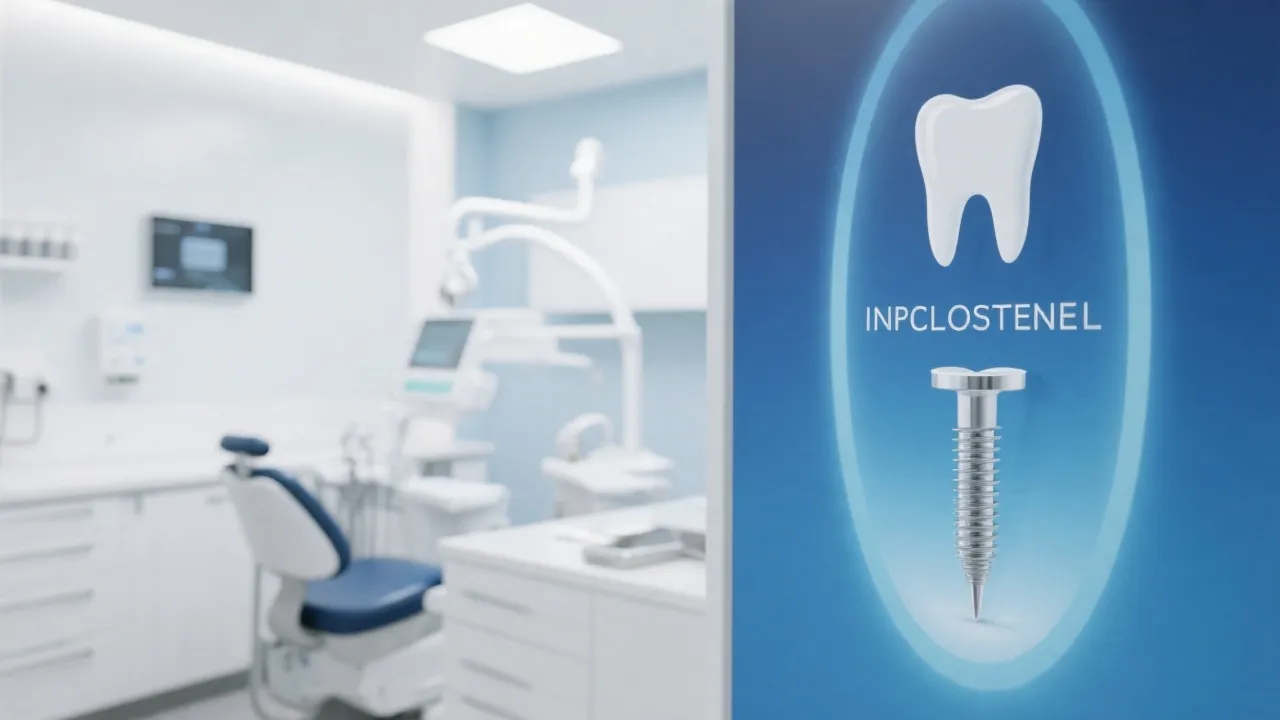
Dental implants are revolutionary developments in oral healthcare, providing an excellent solution for missing teeth. This process involves inserting a titanium post into the jawbone, which acts as an artificial tooth root. Dental implant clinics in your vicinity are specialized healthcare facilities that focus on this intricate procedure, ensuring your dental health is restored meticulously. The procedure of placing an implant is not just about aesthetics—it can significantly enhance the function of your teeth and overall oral health. The advancement in dental technology has led to the development of implants that are more durable and effective than ever before, catering to a diverse range of patient needs.
Choosing the Right Clinic
Finding "Dental Implant Clinics Near Me" often triggers searches for establishments that excel in specific criteria such as affordability, expertise, and patient care. Clinics typically offer consultations, detailed treatment plans, and post-operative care. When individuals search for dental implant clinics, they look for key attributes such as the reputation of the clinic, availability of technological advancements, and whether the clinic follows adequate sanitation protocols. Reputable clinics possess certifications, experienced professionals, and positive patient feedback, which can often be found in online reviews or through direct patient testimonials.
Additionally, it is essential to check if the clinic employs a multidisciplinary team of professionals, including oral surgeons, prosthodontists, and dental hygienists, to ensure comprehensive care is provided throughout the entire process of implant placement and restoration. Patients should also consider their comfort and confidence in the clinic and its staff; feeling at ease with the professionals performing the procedures can greatly influence the overall experience.
Comparing Notable Options
Exploring available options, from local facilities to international providers, can help determine the top fit for your needs. Here's a comparative table of several websites providing information on cost-effective dental implants:
| Website | Features |
|---|---|
| Dental Views | Provides low-cost dental implant solutions, detailed procedure benefits, FAQs, and cost information. |
| Atlantic Dental Group | Offers extensive dental services, including implants, and provides location & appointment information. |
| DentaVacation | Focuses on dental tourism, offering cost comparisons and travel arrangements for international care. |
Source: www.dentalviews.com, www.atlanticdentalgrp.com, www.dentavacation.com
Securing Affordable Dental Treatments in English-speaking Countries
When searching for dental implant clinics, affordability is a key concern. In English-speaking countries, accessing low-cost treatments involves several steps:
- Research Potential Clinics: Utilize online resources, reviews, and clinic websites to gather information on services and costs. Websites that aggregate patient experiences and treatment results can prove valuable in your decision-making process.
- Insurance and Finance Plans: Look into dental insurance plans that cover implants or consider clinics offering payment plans or financing options. Many clinics also offer third-party financing options that allow patients to pay for procedures over time, facilitating access to necessary treatments.
- Attend Consultations: Many clinics offer affordable initial consultations where costs and treatment plans are discussed. During this appointment, inquire about additional costs that may arise during the procedures, such as imaging supplies or medications.
- Explore Alternative Locations: Consider nearby clinics in less metropolitan areas, where treatment may be more affordable. Sometimes, traveling a short distance can save you hundreds of dollars on similar high-quality care.
Cost Analysis for Individual Implants
Prices for dental implants can significantly vary depending on the country and clinic. Here's a snapshot of the cost ranges for individual dental implants in various English-speaking countries:
| Country | Currency | Price Range |
|---|---|---|
| United States | USD | $3,000 - $6,000 |
| United Kingdom | GBP | £2,000 - £2,500 |
| Australia | AUD | AU$3,500 - AU$6,500 |
| Canada | CAD | CA$3,000 - CA$5,500 |
Understanding the Components of Dental Implants
To better appreciate the cost of dental implants, it is vital to understand the various components involved in the procedure:
- Implant Fixture: This is the actual titanium post that is surgically implanted into the jawbone. It serves as the root for the replacement tooth and is crucial for the stability of the restoration.
- Abutment: The abutment is a connector piece that sits on top of the implant fixture, allowing for the attachment of the crown. This piece is vital as it helps to secure the crown in place.
- Crown: The crown is the visible part of the denture that looks like a natural tooth. It is custom-made to match the shape and color of the surrounding teeth, giving patients a seamless smile.
- Bone Graft: In some cases, a bone graft may be required if the patient does not have enough jawbone to support the implant. This can add to the overall cost.
- Surgical Procedures: Costs may also include diagnostic imaging (such as X-rays or CT scans) and the surgical procedure to place the implant itself, which requires a significant amount of expertise and precision.
Common FAQs
1. What factors influence the cost of dental implants?
The cost is affected by factors such as the clinic's location, expertise of the dental professional, materials used, and the condition of the patient's jawbone. Furthermore, any preliminary procedures, such as tooth extractions or bone grafts, can increase total expenses.
2. Are dental implants covered by insurance?
Coverage varies by policy. Some insurance plans may cover part of the expenses, especially if the implant is deemed medically necessary. It's essential to verify with your provider and to understand any exclusions that may apply to dental implants specifically.
3. How long do dental implants last?
With proper care, dental implants can last a lifetime, although the crown or prosthetic may require replacement every 10-15 years. Factors influencing longevity include oral hygiene practices, lifestyle choices (like smoking or diet), and regular check-ups with a dental care professional.
4. What is the success rate of dental implants?
The success rate of dental implants fluctuates based on a variety of factors, including the location of the implant and the health of the patient’s jawbone. However, studies indicate that the success rate can be as high as 95% for lower jaw implants and around 90% for upper jaw implants over a period of ten years.
5. Can anyone receive dental implants?
Most adults who are in good overall health are candidates for dental implants. However, individuals with certain medical conditions, or those who smoke heavily or have significant gum disease, may need additional treatments or may not be eligible. Consultation with a dental professional is essential in determining candidacy.
Considerations for Dental Implant Procedures
When planning for dental implants, several considerations are crucial for ensuring success and patient satisfaction:
- Initial Consultation: An initial assessment will often include a thorough review of dental history, existing health concerns, and imaging tests to evaluate jawbone density and structure.
- Treatment Timing: The timing of the procedure can influence treatment outcomes. It is important to allow any initial healing (post-extraction or grafting) before placing the implant.
- Post-Operative Care: Proper aftercare is vital. Patients will receive instructions on oral hygiene practices, diet, and activities to avoid during recovery to minimize the risk of complications.
- Regular Follow-Up Appointments: Scheduled check-ups are necessary to monitor the implant's integration with the jawbone and assess gum health.
Final Thoughts
Finding the right "Dental Implant Clinics Near Me" requires diligent research and consideration of various factors. By leveraging online resources and seeking multiple consultations, individuals can make informed decisions, ensuring optimal dental health and satisfaction with their chosen provider. Balancing affordability with quality care is essential, and understanding your options can lead to a successful and fulfilling treatment experience.
It is important to have clear communication with your dental care providers about your expectations and any concerns you may have. Many clinics also focus on providing support throughout the entire process, including access to mental health resources for patients who may feel anxious about dental procedures.
Dental implants are an investment—both financially and in your overall health. As with any significant procedure, taking the time to educate yourself about your options, understanding the risks, and actively participating in decision-making can lead to the best possible outcomes. Remember to take advantage of all available resources to ensure you have the best possible experience and results.
Disclaimer: The above information comes from online resources, and the data is as of October 2023. Dental implant prices are for reference only and may vary by region, clinic, and doctor.
References: