Understanding Governor Affordable Phone Programs
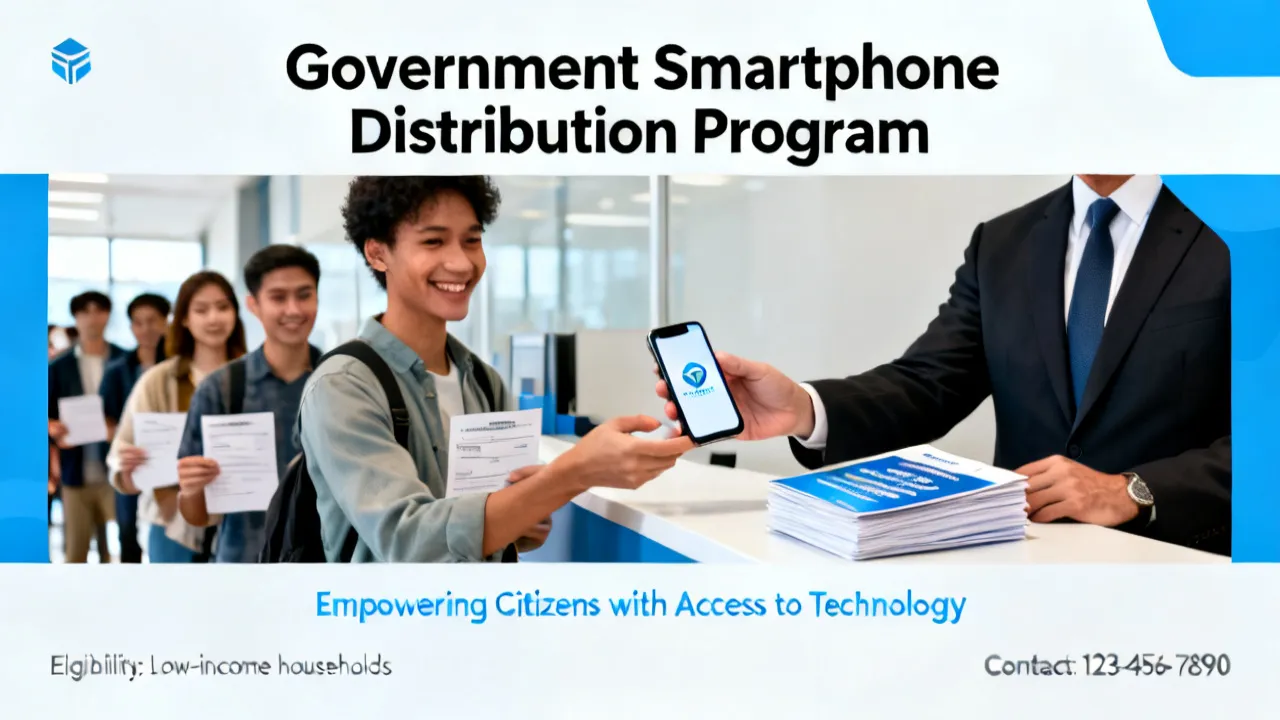
This guide delves into the Governor Affordable Phone programs, shedding light on viable options for eligible citizens to access mobile communication. The initiative, part of broader efforts to bridge digital gaps, offers communication access for individuals meeting specific criteria, such as income levels or participation in government aid programs, encouraging digital inclusion and connectivity.
Introduction to Government-Funded Communication Programs
In an effort to enhance digital inclusion and provide necessary communication tools to underserved populations, the Governor Affordable Phone programs offer mobile devices and services to eligible individuals. These initiatives are part of larger governmental efforts aiming to connect low-income households to essential communication services, ensuring that financial constraints do not impede access to technology and connectivity. The need for such programs has never been more critical, especially in an age where staying connected is essential for accessing important resources, job opportunities, and educational materials.
The digital divide—a gap between those with easy access to computers and the internet and those without—has substantial implications for education, healthcare, and economic stability. Government-funded communication programs play a crucial role in combating this divide, making technology more accessible to all, particularly in economically disadvantaged communities. Understanding the various aspects of these programs can empower individuals and families to seek the assistance they truly need, making a tangible difference in their lives.
Understanding Eligibility and Application Processes
Those looking to benefit from Governor Affordable Phone programs must generally meet specific eligibility criteria, primarily based on income levels or enrollment in governmental assistance programs. For very service providers, the qualifying income is typically at or below 135% of the federal poverty guidelines for Lifeline services, while the Affordable Connectivity Program (ACP) might extend eligibility to 200% of these guidelines. This range reflects the government's acknowledgment of varying cost of living across different states and communities.
In addition to income-based qualifications, participation in programs such as Medicaid, SNAP, SSI, and FPHA can also grant eligibility. Each of these programs has specific criteria and application processes which reinforce the need for documentation when applying for the Governor Affordable Phone program. Moreover, residents living on Tribal lands often receive additional benefits, promoting digital equity across diverse geographic regions. These population-specific provisions ensure that historically marginalized communities can also partake in technological advancements.
Understanding the eligibility criteria doesn’t stop at just income level. Many applicants may be surprised to learn that they can qualify based on other factors such as household size, age, and specific life circumstances, including participation in educational programs or veteran status. This broad range of eligibility supports a larger idea of ensuring no one is left behind, reinforcing the significance of outreach programs designed to assist potential applicants in understanding their options.
Leading Providers in the Governor Affordable Phone Sphere
Several telecommunications providers participate in this program, offering varied services that cater to the needs of eligible individuals. Here’s a detailed comparison of what some leading providers offer alongside general consumer benefits:
| Provider | Services Included | Additional Costs |
|---|---|---|
| SafeLink Wireless | Affordable smartphone or bring-your-own-device, unlimited text, calls, and data (varies by plan and state) | Premium device upgrades or extra data might carry costs |
| Assurance Wireless | Affordable Android smartphone, unlimited talk and text, and data allowances | Additional high-speed data or international calling services are optional upgrades |
| StandUp Wireless | Affordable smartphone or BYOD options, unlimited talk and text, and data plans | Costs for premium phone upgrades or extra data apply |
| Access Wireless | Unlimited voice, text, and limited high-speed data with Lifeline and ACP benefits | Data boosts and device upgrades are offered for a fee |
| True Wireless | Government-supported phones, voice, and data plans | Optional device or data plan upgrades |
For more detailed information, please visit the following sources:
source: SafeLink Wireless, Assurance Wireless, StandUp Wireless, Access Wireless, True Wireless
How to Apply for these Programs
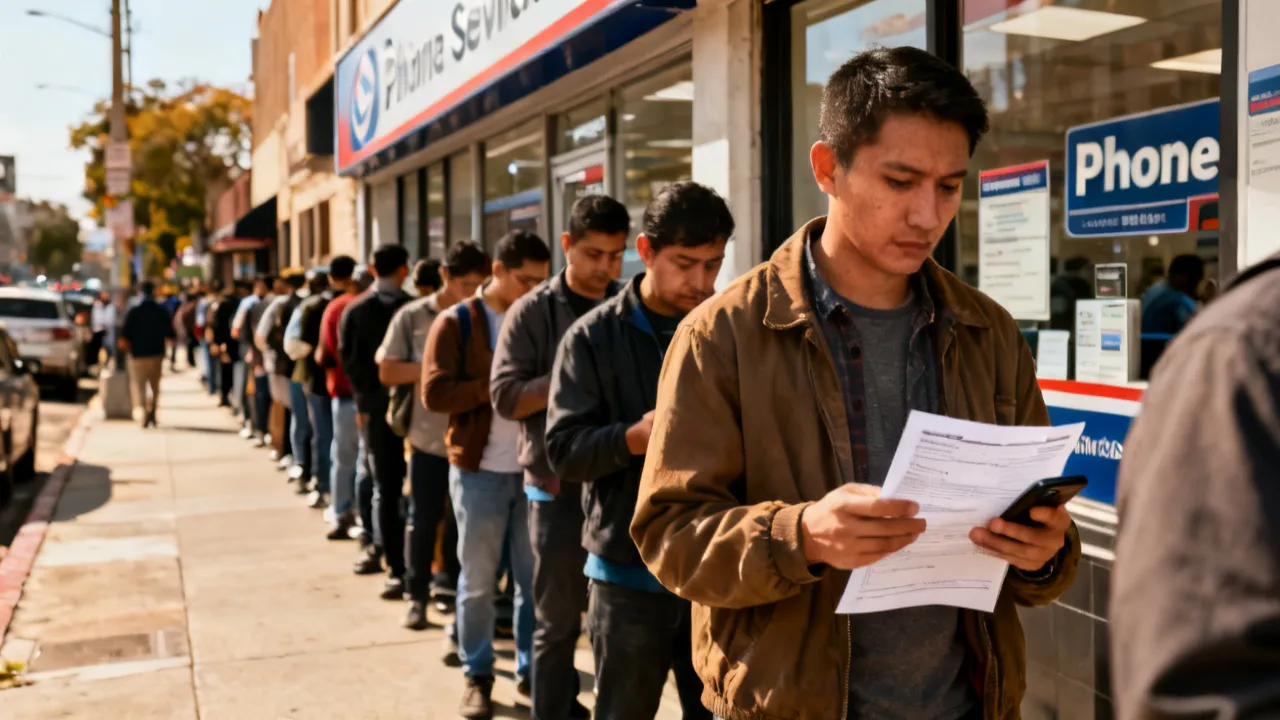
Applying for an affordable phone under the Governor's program involves submitting an online application through the provider’s website. Applicants need to provide proof of eligibility such as income documentation or enrollment in an accepted assistance program. Many providers also accept applications via the Lifeline National Verifier, a tool that simplifies and verifies eligibility for federal communication assistance programs.
Applying online ensures that the process is streamlined and efficient, allowing for quicker approval and access to services. Many providers also offer customer support through various channels, including phone and chat services, making it easier for individuals to seek help or clarification about the application process. It is crucial for applicants to gather all necessary documents ahead of time. This may include pay stubs, benefit statements, or bank statements that clearly demonstrate their eligibility.
In addition, setting aside some time to familiarize oneself with the provider’s offerings will help ensure the selected plan best suits the individual’s needs. Understanding the differences in services provided by different companies is essential, as it can significantly affect not only the individual’s connectivity but also their overall satisfaction with the service. Some providers may also offer specialized services such as telehealth resources or educational material access, depending on the plan selected.
Potential Challenges and Considerations
While these government programs offer essential services, prospective applicants should be aware of potential challenges and considerations. Availability of devices and specific service packages may vary significantly based on geographic regions and service providers. For instance, while major urban areas may have a wide array of options, rural regions might face limited choices, potentially affecting service quality and network reliability.
Furthermore, additional services or device upgrades often incur costs that must be considered when signing up for these programs. It’s essential for applicants to carefully read the terms and understand what is included in their selected plan and what costs may arise down the road. Many individuals may not anticipate additional fees related to data overages, international calling, or device replacements, which could lead to unexpected expenses.
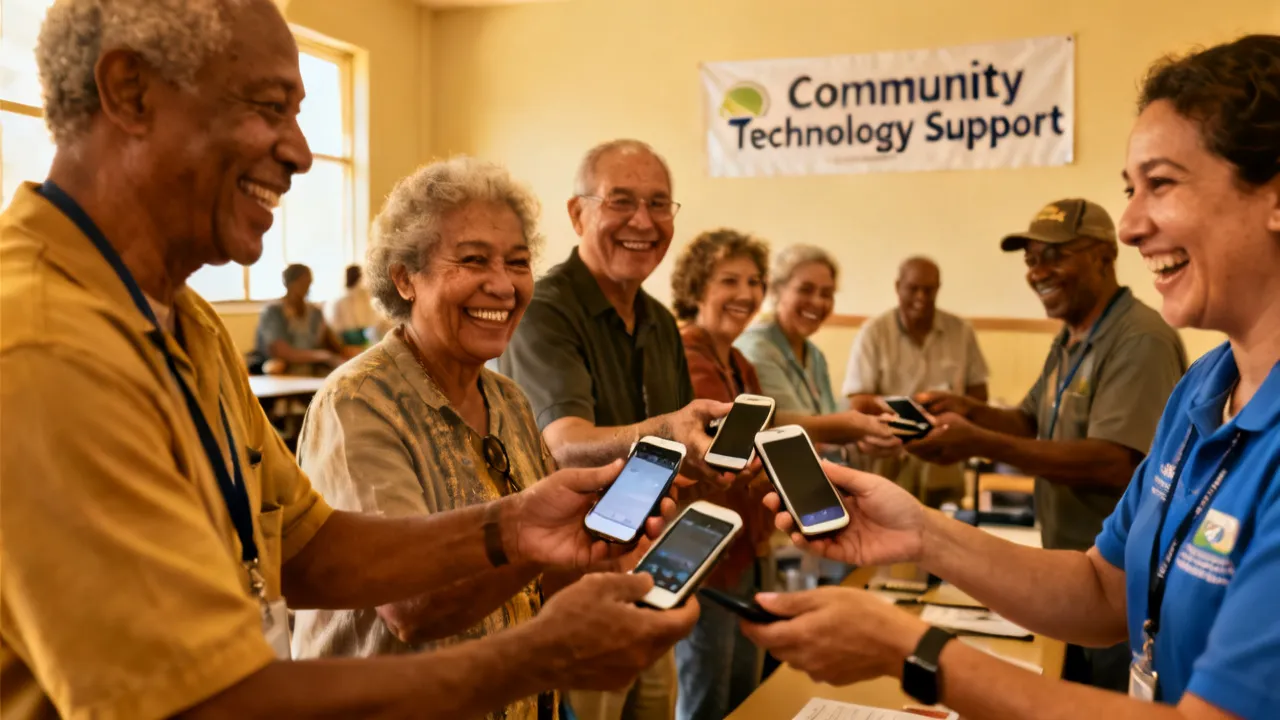
Another potential challenge is the digital literacy barrier. Many low-income individuals may not be familiar with navigating modern technology or the internet. This lack of understanding can make applying for assistance or using the services more difficult. Outreach programs or workshops can help alleviate this issue, providing training to enable individuals to better utilize their resources, ensuring they gain maximum benefit from the services offered.
Additionally, it’s important to keep in mind that government programs might evolve, and eligibility requirements might change over time. Staying updated about any potential changes in regulations or service offerings helps applicants make informed decisions regarding their communication needs.
FAQs
Q: Who qualifies for the Governor Affordable Phone?
A: Individuals with incomes at or below 135% of the federal poverty guidelines, or those enrolled in approved government assistance programs. Certain demographic factors may also affect eligibility.
Q: What documents are needed to apply?
A: Proof of income or participation in qualifying assistance programs, as well as identification documents such as Social Security numbers, and often a government-issued ID or driver’s license.
Q: Are the phones truly affordable?
A: Basic phones are provided without charge, but optional upgrades and additional services may incur fees. Additional costs could also arise from overages on certain plans.
Q: Can I switch between providers once enrolled?
A: Yes, individuals can switch providers; however, they will need to meet the eligibility requirements of the new provider and may have to go through the application process again.
Q: Does the program cover data plans for internet use?
A: Many of the programs offer limited data plans, which vary by provider. Some may include sufficient data for basic tasks, while others may require additional costs for more extensive internet use.
Conclusion: Bridging the Digital Divide
The Governor Affordable Phone programs are instrumental in narrowing the digital divide and ensuring that all citizens have access to vital communication tools. These programs highlight the government's commitment to equitable digital inclusion and connectivity. The profound effects of accessible communication surpass basic connectivity; they enable participation in the workforce, facilitate social interactions, allow for remote health consultations, and provide educational opportunities critical for long-term success.
Additionally, these programs are designed to be flexible and responsive to the rapidly changing technological landscape. As more services move online, the importance of having a reliable phone and internet connection continues to grow—making these government initiatives even more vital. Applying for such a program requires meeting specific eligibility criteria and understanding the particular services offered by various providers.
Ultimately, bridging the digital divide is a collective effort that extends beyond government programs. Community organizations, educational institutions, and private sector companies also play a vital role in ensuring that all individuals are equipped with the skills and resources necessary to fully participate in the digital economy. When we come together as a community to promote digital equity, we create pathways for growth and opportunities for all.
Disclaimer: The above information comes from online resources, and the data is as of October 2023. This website cannot guarantee that applicants will definitely get a government-supported phone. For specific application requirements, and how to obtain it, please refer to the official requirements of the provider. This website will not be updated in real-time.