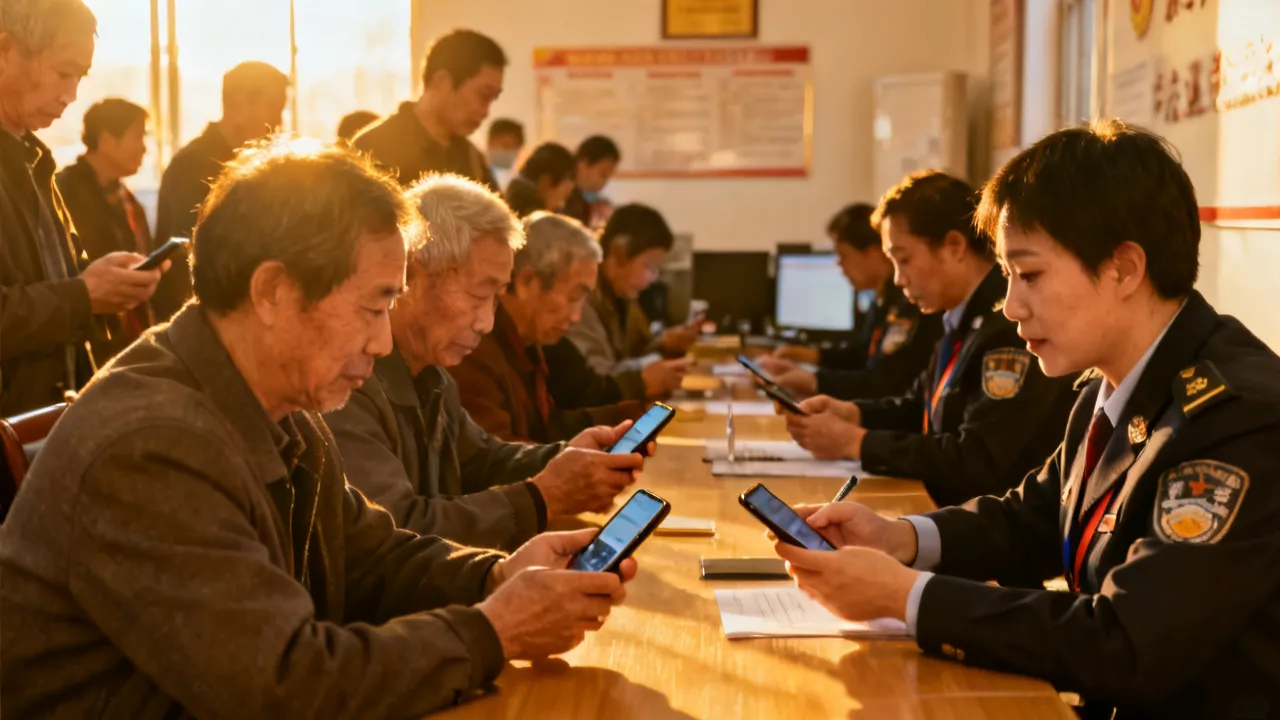
Understanding Government Affordable Phone Programs
This guide delves into the government-supported phone programs aimed at ensuring connectivity for those eligible under specific guidelines. Programs like Lifeline and the Affordable Connectivity Program bridge the digital divide by offering devices and connectivity options to low-income households, enhancing communication accessibility.
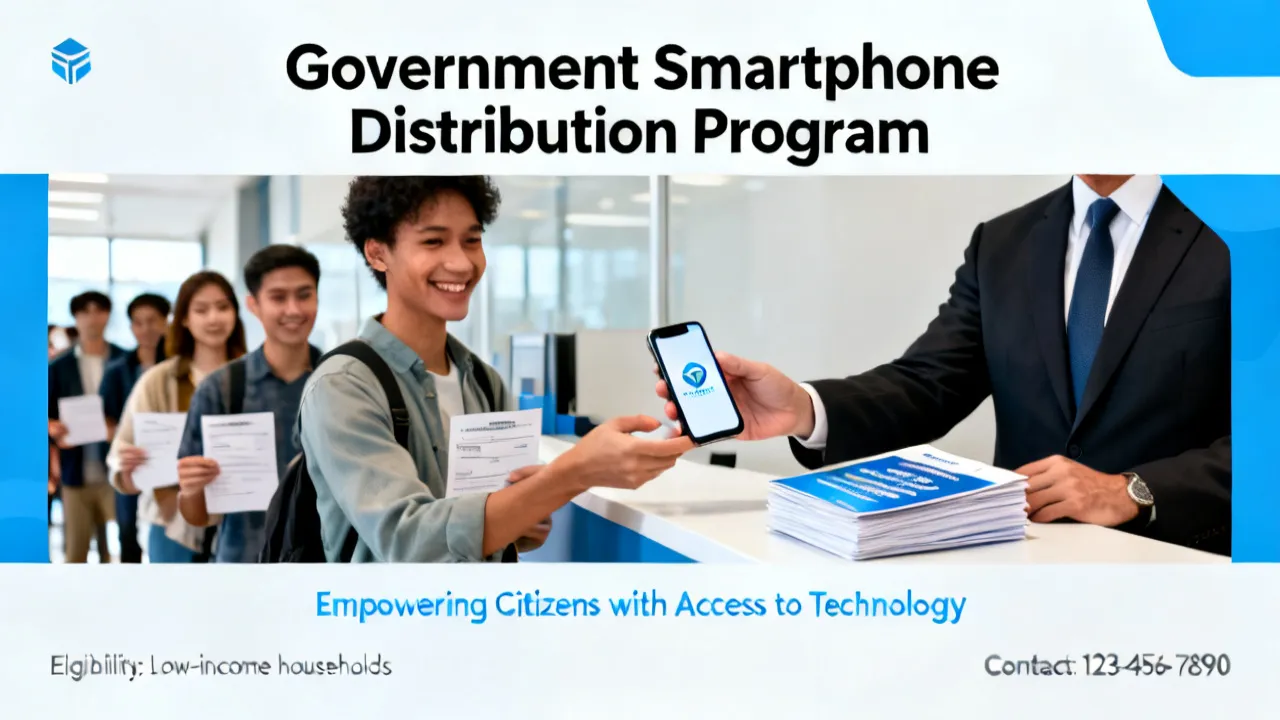
Exploring Government Phone Programs
In the digital age, having a smartphone is not just a luxury but a necessity, connecting individuals to essential services, information, and people. Recognizing the importance of universal connectivity, government programs have initiated the distribution of affordable phones to eligible citizens, ensuring that socio-economic barriers do not restrict access to communication means. This is crucial as access to digital communication fosters economic opportunities, educational resources, and social interaction. For many, a government-supported phone can be the only means of staying connected to job offers, health care, and emergency services, thus transforming lives.
Overview of Government Initiatives
Among the very notable government-supported endeavors are the Lifeline Assistance and the Affordable Connectivity Program (ACP). These initiatives are pivotal in providing economically challenged individuals with phone services and devices, primarily aiding those who fall under specific financial thresholds or participate in federal and state assistance programs. The Lifeline Assistance program was established in 1985 and aims to lessen the burden of telecommunications costs. The ACP, on the other hand, is a more recent initiative introduced in 2021 as part of the ongoing effort to ensure that low-income households have access to broadband internet—a lifeline in today's economy.
Service Providers and Offerings
Several providers have partnered with these programs to offer services that include, but are not limited to, unlimited talk and text, data plans, and hardware. Each provider has unique offerings, often varying by state and individual eligibility criteria. It’s essential to note that while the core offerings are relatively standardized across different providers, certain aspects such as customer support, reliability, and additional features can vary significantly. Hence, individuals should take their specific needs into account when choosing a provider.
| Provider | Services Included | Additional Costs |
|---|---|---|
| SafeLink Wireless | Affordable smartphone, unlimited text, calls, and data (varies by plan and state) | Upgrades to premium devices or additional data may incur costs |
| Assurance Wireless | Affordable Android smartphone, unlimited talk and text, data allowances | Additional high-speed data and international calling services are optional upgrades |
| StandUp Wireless | Affordable smartphone or BYOD options, unlimited talk and text, and data plans | Premium phone upgrades or extra data are available for a fee |
| Access Wireless | Unlimited voice, text, and limited high-speed data with Lifeline and ACP benefits | Data boosts and device upgrades are offered for a fee |
| True Wireless | Affordable government-supported phones, voice, and data plans | Optional upgrades to better devices or additional data plans |
Eligibility and Application Process
To obtain a government-supported phone, individuals must meet specific eligibility requirements. These typically include having an income at or below 135% of the federal poverty guidelines for Lifeline, or 200% for ACP. Eligibility criteria can vary slightly by state and provider, emphasizing the importance of verifying specific terms. Additionally, enrollment in government assistance programs such as Medicaid, SNAP (Supplemental Nutrition Assistance Program), SSI (Supplemental Security Income), or FPHA (Federal Public Housing Assistance) often qualifies applicants. Moreover, residents on Tribal lands might receive additional benefits, reflecting the government's recognition of the unique challenges faced by Indigenous communities.
Step-by-Step Application Guide
- Determine your eligibility based on income or participation in assistance programs. It is advisable to consult the latest federal poverty guidelines to confirm your qualification.
- Visit the official website of the chosen provider and complete the online application form. Most providers offer a straightforward application process designed to accommodate various levels of technological proficiency.
- Submit required documentation, such as proof of income or enrollment in qualifying programs. Ensure that your documents are current and legible to avoid delays in processing.
- Await application approval and equipment shipment or activation instructions. This will vary in duration from a few days to a few weeks. Some providers offer tracking to keep applicants informed about their application status.
FAQs
- Who is eligible for a government phone? Eligibility primarily revolves around income levels or participation in specific government assistance programs. Directly referring to the guidelines provided by each program or the Federal Communication Commission (FCC) can give clarity.
- How do I apply? Applications can generally be completed online through provider websites, requiring supporting evidence of eligibility. Some providers also offer phone assistance for those who may struggle with online processes.
- Are there costs involved? Basic services are provided at no charge, but additional services like device upgrades or international calling may incur fees. The specific costs associated with additional services should be reviewed carefully before committing.
- Will upgrading my device affect my eligibility? No, but it may involve extra costs covered by the individual, thus it is wise to consider whether the benefits of upgrading outweigh the costs based on your communication needs.
Impact on Communities
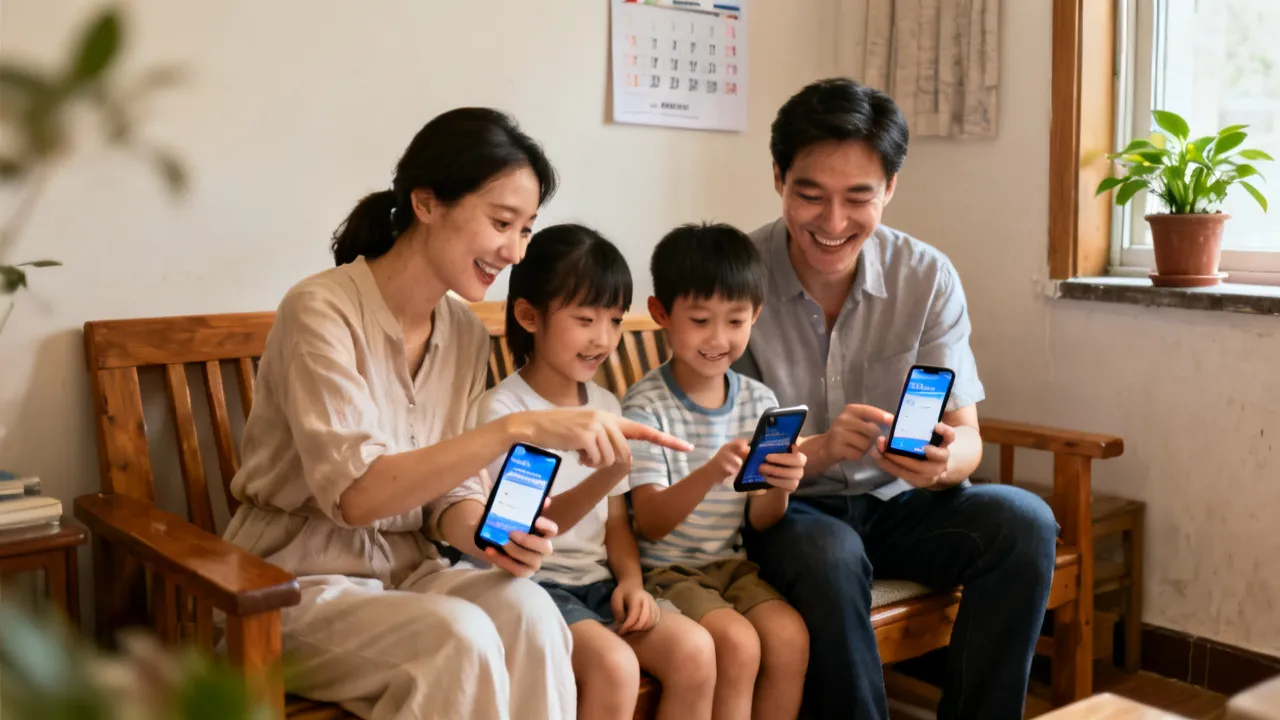
The introduction of government phone programs has significantly impacted communities across the United States, particularly among low-income and marginalized populations. Beyond merely providing a means of communication, these programs promote social equity by enabling individuals to connect with job opportunities, educational resources, and healthcare services. For single parents, low-income families, and those living in rural areas, access to a reliable phone service can bridge gaps that otherwise might limit their opportunities for growth and advancement.
Studies have shown that increased access to communication technologies directly correlates with improved educational outcomes and economic mobility. Children and families who have access to smartphones and data plans are able to tap into educational applications and remote learning opportunities, particularly emphasized during the COVID-19 pandemic. The implications of having a smartphone extend to mental health as well, whereby individuals can maintain social connections and access telehealth services, which have become increasingly popular.
Additional Government Programs
While the Lifeline Assistance and ACP are among the most recognized initiatives, there are other programs worth mentioning that contribute to affordability and access to telecommunications. The Emergency Broadband Benefit (EBB), which was introduced in response to the pandemic, provided subsidies to help families afford broadband internet services. Although this program has transitioned to ACP, its short-term efforts highlight the government's ongoing commitment to enhancing digital access to underprivileged communities.
State-Level Initiatives
Many states have developed their own initiatives to further boost connectivity, sometimes complementing federal support. For example, states like California and New York have rolled out their own direct assistance programs that provide additional funds or services to help bridge digital divides. These local efforts recognize that specific state demographics and economic conditions can necessitate tailored solutions. Such state-level initiatives tend to directly address regional disparities and can also include partnerships with local non-profits to engage in community outreach and education regarding available resources.
Challenges and Areas for Improvement
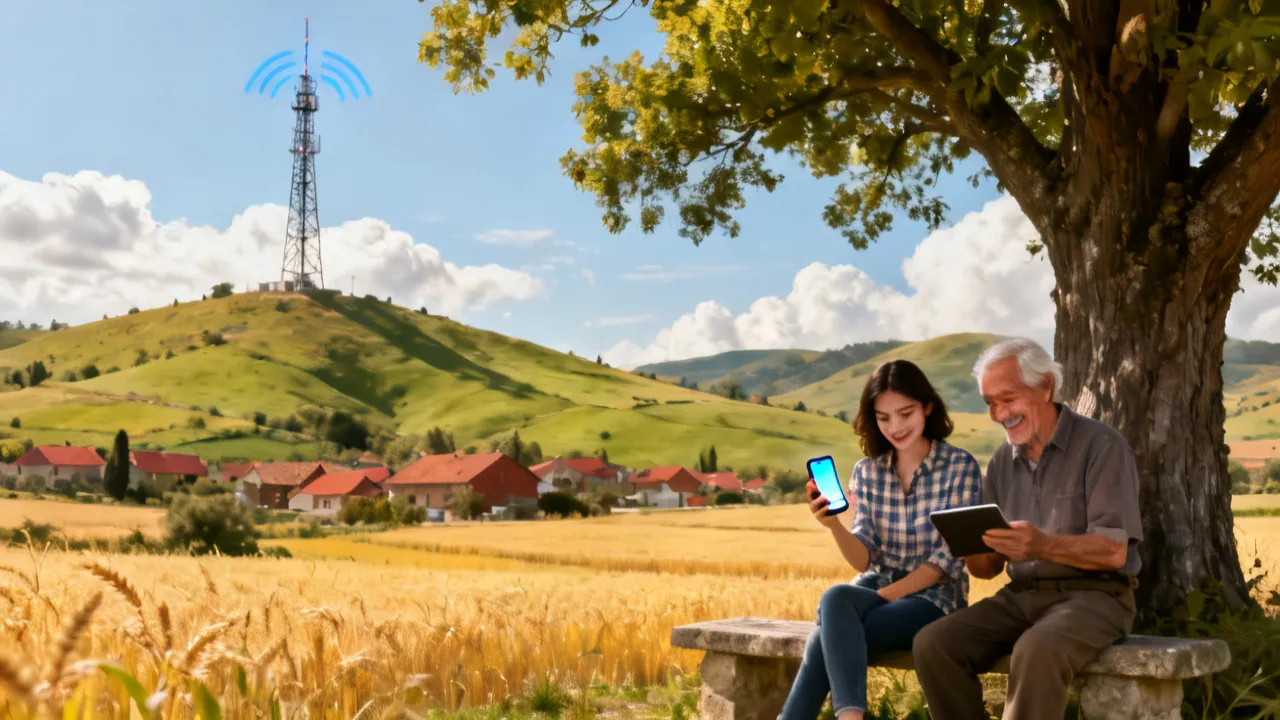
Despite the positive strides made by government phone programs, several challenges persist that could benefit from further attention. One notable issue is the digital divide that still exists in many regions, particularly rural and underserved urban areas where access to high-speed internet is limited. Not all locations may be equipped for the expected demands of a modern connected society, which can hinder the full potential of initiatives aimed at bringing phones into users' hands.
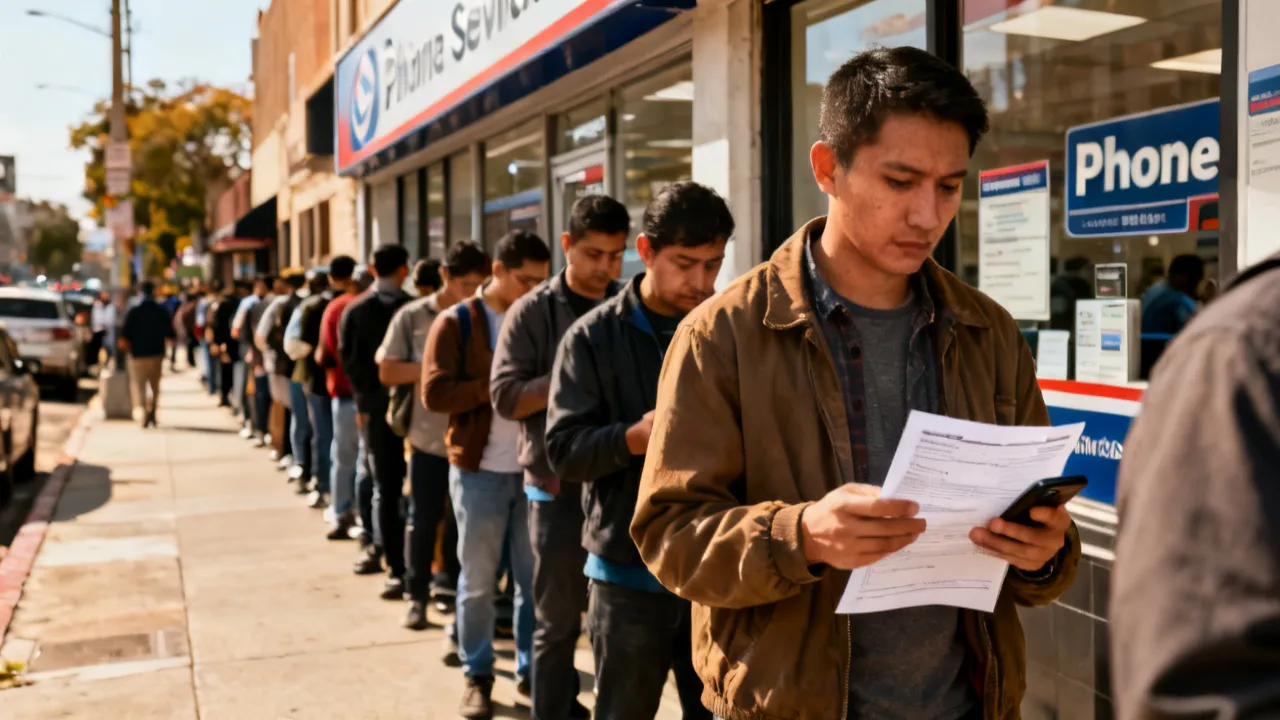
Moreover, there are often challenges regarding how aware eligible individuals are about these programs. Many potential beneficiaries may not be aware of the Lifeline program or the ACP, leading to underutilization of resources that could significantly improve their quality of life. Awareness campaigns targeted at individuals most in need can help mitigate this issue. Expanding outreach efforts via community partnerships and utilizing local resources such as schools, churches, and community centers could help improve visibility and application rates.
Technology Literacy
Another area for improvement focuses on technology literacy. While smartphones have become ubiquitous, there is still a considerable number of individuals, especially older residents or those who have not been exposed to technology in educational or vocational settings, who may find themselves overwhelmed with how to use various features or apps on their devices. Developing workshops that teach basic smartphone usage, internet safety, and navigation of essential applications could go a long way in maximizing the effectiveness of these programs. Such initiatives would also empower beneficiaries to take full advantage of connectivity options available to them.
Conclusion
Government phone programs stand as essential pillars supporting marginalized communities, promoting digital inclusivity and connectivity. These initiatives not only alleviate financial burdens but also enhance communication access, ensuring that economic hardships do not impede digital engagement and access to vital resources. As the landscape of technology continues to evolve, ensuring that these programs adapt and improve will be key to closing the digital divide.
In summary, the transformative potential of government phone programs cannot be understated. Access to communication not only fosters economic opportunity but also plays a vital role in enhancing societal interaction and educational outreach. As communities become increasingly reliant on digital solutions for everyday activities, it is imperative that government initiatives evolve to meet the changing needs of our society, ensuring that no one is left behind in the digital age.
Disclaimer: The above information is sourced from online resources as of October 2023. This website cannot guarantee that all applicants will receive a government-supported phone. It is advised to refer to the official provider requirements for specific application details, as this website does not provide real-time updates.