Understanding Governor Affordable Phone Options
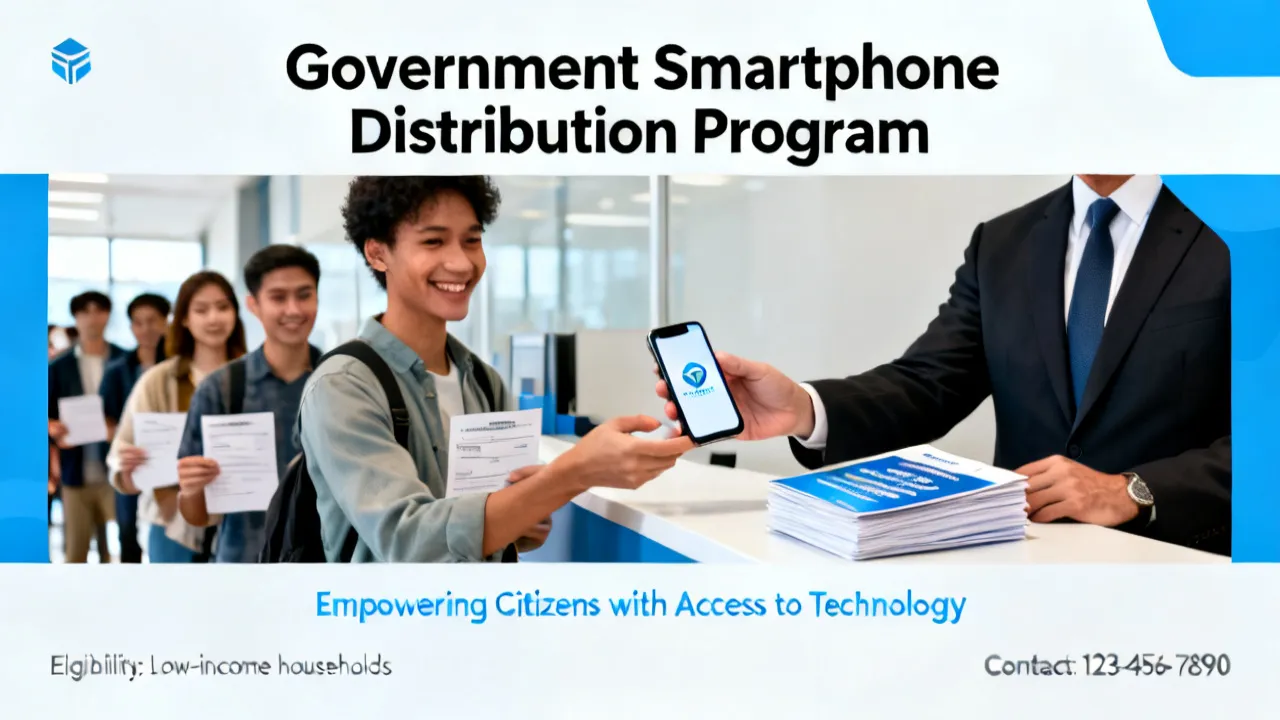
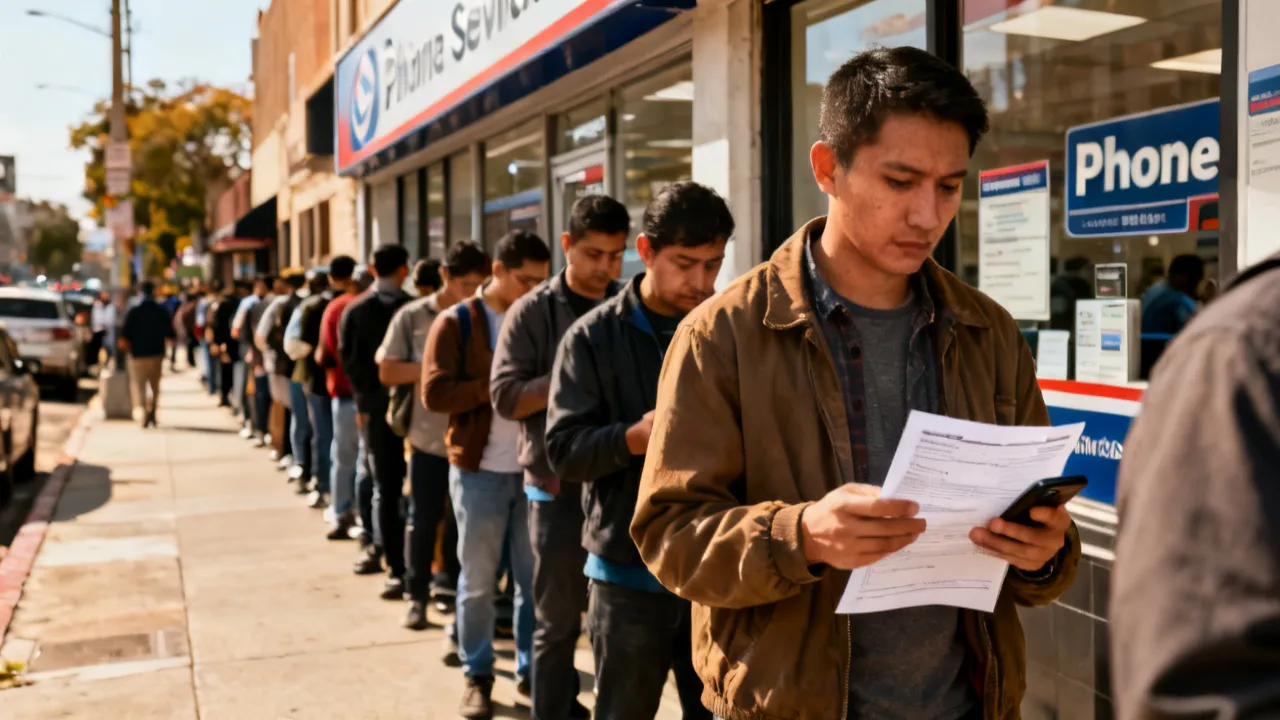
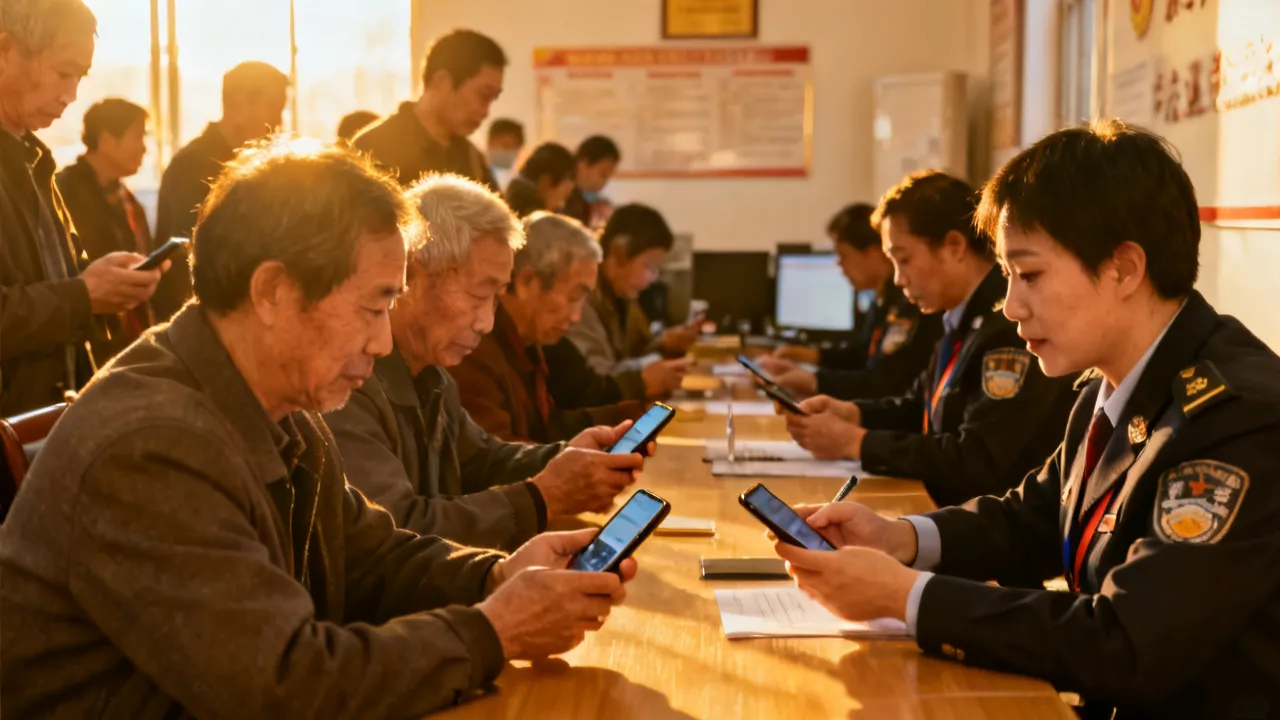
This guide sheds light on the Governor Affordable Phone options available through the U.S. government assistance programs. The initiative is designed to ensure that low-income individuals have access to essential communication services. This program is especially beneficial for individuals enrolled in Medicaid, SNAP, or similar assistance programs. Explore various plans and understand eligibility requirements to access these essential services.
Introduction to Government-supported Phone Plans
The government has implemented several phone plans targeting low-income families and individuals, ensuring they remain connected without bearing hefty costs. Known as "Government Affordable Phone" plans, these initiatives provide vital telecommunications access via the Lifeline and Affordable Connectivity Programs (ACP), allowing eligible participants to communicate effectively in our increasingly digital world. The need for affordable communication channels is critical in today’s society, where maintaining contact with family, job prospects, and even educational resources heavily relies on access to reliable telephone and internet services.
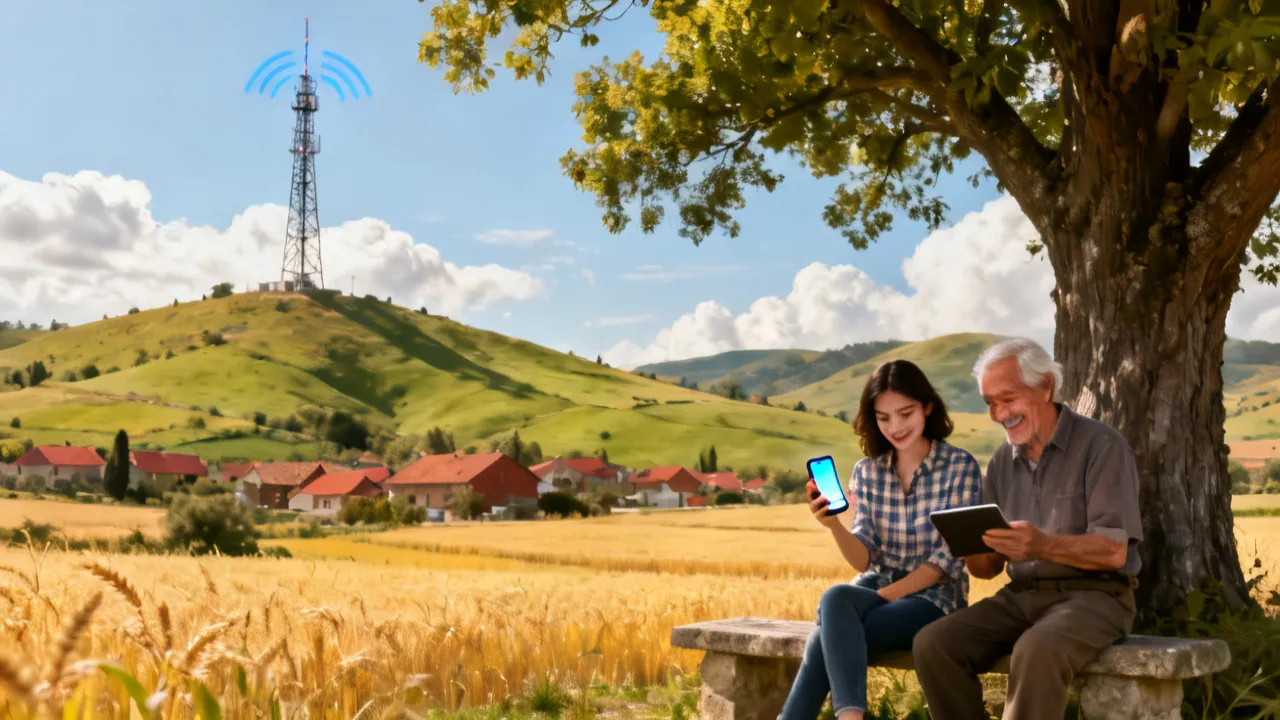
The government aims to bridge the digital divide that exists among low-income individuals and families. This divide often leads to social isolation and limits opportunities for education and employment. Without access to phones and the internet, many individuals fall behind, unable to connect with essential services like health care, jobs, and banking. Recognizing these challenges, government-supported phone plans have emerged as a comprehensive solution to guarantee everyone, regardless of their financial status, can participate fully in society.
Overview of Key Providers
Several service providers partner with the government to deliver these phone plans. Each provider offers unique features and plans, catering to different needs within the eligible community. Here, we explore SafeLink Wireless, Assurance Wireless, StandUp Wireless, Access Wireless, and True Wireless—all of which offer specialized services aligned with Lifeline and ACP requirements. These providers not only offer basic telecommunications services but often include additional resources such as customer support, mobile applications for managing accounts, and access to educational materials.
| Provider | Services Included | Additional Costs |
|---|---|---|
| SafeLink Wireless | Unlimited text, calls, and data; BYOD (Bring Your Own Device) options | Device upgrades, extra data charges |
| Assurance Wireless | Affordable Android smartphone, unlimited talk, text, and data | Extra high-speed data, international calling |
| StandUp Wireless | Unlimited talk, text, data plans; smartphone or BYOD | Phone upgrades, additional data packages |
| Access Wireless | Unlimited voice, text, with limited high-speed data | Data boosts, device upgrades |
| True Wireless | Government-supported phones with voice and data plans | Device upgrades, additional data options |
These providers operate differently based on regional regulations and market conditions, so the choices available may vary depending on where you live. The partnerships between service providers and federal assistance programs create a framework that supports a more connected community.
In addition to basic calling and texting features, many of these providers are beginning to offer access to online resources such as educational programs, job search tools, and telehealth services, recognizing the growing necessity of digital inclusion. These added services can greatly enhance how individuals interact with the world around them, allowing access to vital information and resources that were previously out of reach for many.
Eligibility and Application Process
To be considered for these phone plans, applicants must either have an income at or below 135% of the federal poverty guidelines for the Lifeline program or 200% for the ACP. Additionally, participation in federal assistance programs such as Medicaid, SNAP, SSI, or FPHA qualifies individuals for these benefits. Residents living on Tribal lands may receive enhanced services, increasing the benefits available to them.
The eligibility criteria highlight the government’s commitment to supporting those most in need and closing the accessibility gap in telecommunications. By simplifying the application process and lowering the barriers to access, the programs can reach and assist more individuals and families effectively.
Application Steps:
- Visit the provider's official website or the Lifeline National Verifier.
- Complete the online application form, which typically includes personal details such as name, address, and household income.
- Submit necessary documentation proving eligibility, such as income statements or proof of participation in qualifying assistance programs.
- Await confirmation via email or mail, post-submission, which can take a few days to a couple of weeks depending on the provider.
The application process is designed to be user-friendly, to encourage participation from those who might feel intimidated by government procedures. In many cases, the process may even be initiated over the phone or at local community organizations that assist individuals in applying for benefits - widening the support network available to applicants.
The Importance of Staying Connected
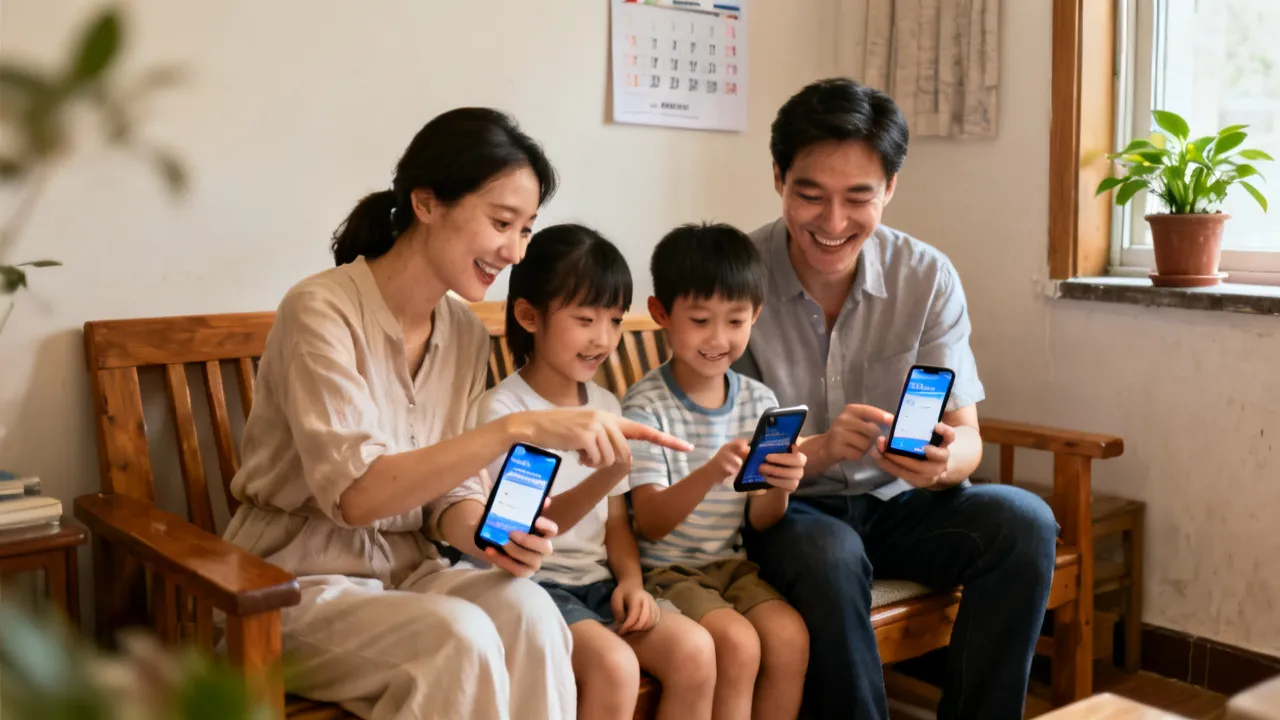
In the modern era, staying connected is more crucial than ever. These programs ensure that essential communication remains within reach, fostering opportunities for employment, education, and emergency contact. The government-supported plans are designed not only to provide basic telecommunications access but also to empower individuals by offering digital inclusion in a world that increasingly relies on digital communication.
Without these services, individuals may struggle to find job opportunities. In today’s job market, most applicants are expected to be reachable by phone for interviews and potential job offers, and many positions require online applications. Thus, having access to a mobile device and the internet can drastically change an individual’s job prospects. Moreover, as education increasingly incorporates online platforms, students without reliable access to phones or internet services may find themselves at a disadvantage.
Furthermore, staying connected facilitates access to crucial services such as healthcare and social services. With telehealth becoming a norm, individuals without adequate communication tools may miss essential health screenings, treatment opportunities, and health education material. In emergencies, having a phone can be lifesaving, enabling quick access to help or important information in times of crisis. School, work, health care, and personal relationships all hinge on connectivity, demonstrating just how vital these government-supported plans are in maintaining an equitable society.
FAQs
- What services are covered under these plans? Each program varies, but generally includes basics like talk, text, and data. Some providers offer smartphones or allow you to bring your own device, and may have partnerships that facilitate access to additional resources such as job support and educational materials.
- Are there any costs involved? While the main services are typically covered, extra features such as premium devices, additional data, or international calling may incur additional charges. It’s also important to check if there are any fees for service activation or device replacement.
- How long does the application process take? It varies by provider, but typically confirmation is provided within a few weeks after submission. In urgent cases, some providers may expedite the process, allowing quicker access to phone services.
- Can I keep my current phone? Yes, many of these plans offer a BYOD (Bring Your Own Device) option, allowing users to keep their existing mobile phones, provided they are compatible. Ensure to check with the specific provider for compatibility requirements and any necessary steps for porting your number.
- What should I do if my application is denied? If your application is denied, you have the right to request a review of your application and a clear explanation of why it was denied. Additionally, applicants may reapply if their circumstances change or if they believe there was an error in the assessment.
Conclusion
Exploring these "Government Affordable Phone" options can lead to significant savings and improved connectivity for eligible individuals. By understanding the options available and the applications process, individuals can ensure they remain connected with essential services, loved ones, and potential opportunities. The Lifeline and Affordable Connectivity Programs provide a supportive bridge for many people towards digital inclusion, vital for anyone wishing to thrive in modern society.
It’s crucial to understand the long-term value of these programs. Beyond immediate access to phones, they symbolize a commitment to digital equity, ensuring that as the world advances in technology, no one is left behind simply due to economic circumstance. For specific requirements and the latest information, consulting the official provider websites is advisable, as updates and changes can occur that may affect eligibility or available services.
Disclaimer
The above information is compiled from online resources available as of October 2023. It is important to note that this website cannot guarantee the availability or eligibility for a government phone. For the very precise and timely data, applicants should refer directly to the official guidelines provided by each service provider. This website will not be updated in real-time. Changes in government policies and service offerings are continually unfolding, hence keeping abreast with the official communications is necessary to obtain the most reliable information.
References: [SafeLink Wireless](https://www.safelinkwireless.com), [Assurance Wireless](https://www.assurancewireless.com), [StandUp Wireless](https://standupwireless.com), [Access Wireless](https://www.accesswireless.com), [True Wireless](https://www.gotruewireless.com/)