Understanding Government Affordable Phone Programs
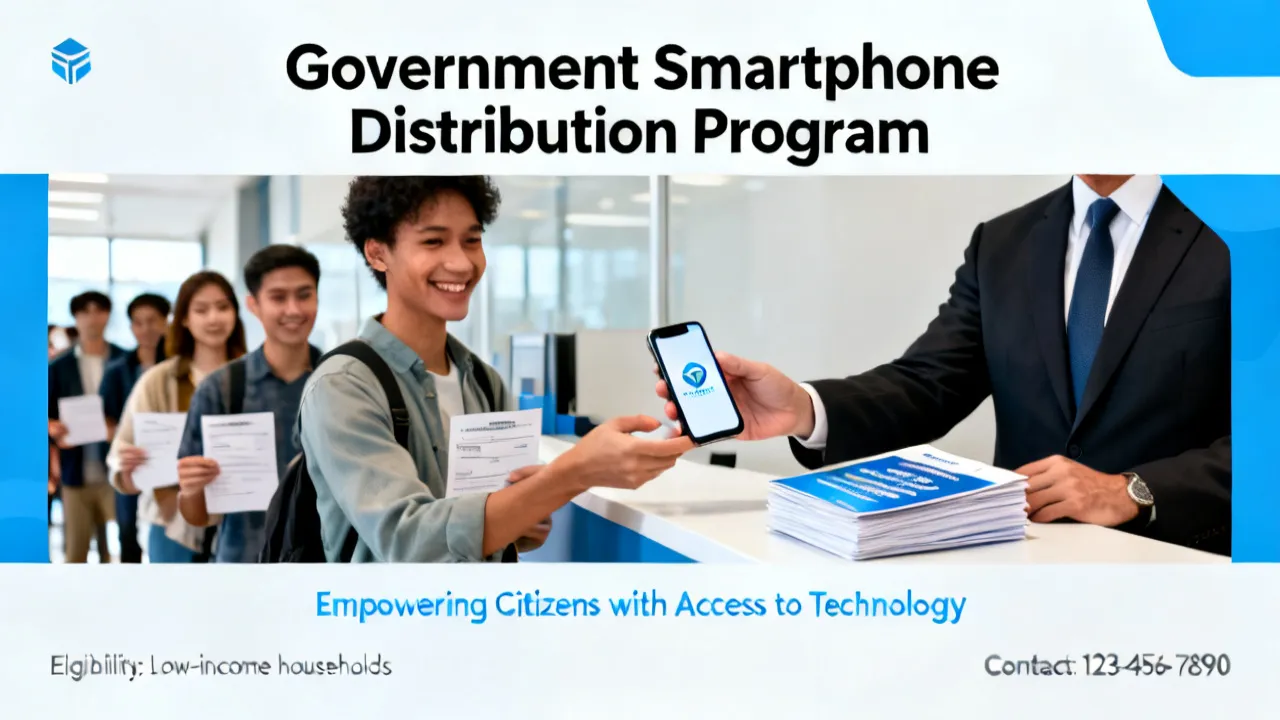
This guide explores how selected phone service providers offer government-backed phone programs. Utilizing Lifeline and ACP benefits, providers aim to empower low-income households with affordable communication. Eligibility is determined by income or participation in aid programs, ensuring access for those who need it very.
Exploring Government Affordable Phone Initiatives
The digital age has necessitated connectivity, making it vital for all individuals to have access to communication tools. Government Affordable Phone initiatives aim to bridge the digital divide by providing subsidized phone services to eligible households. This guide delves into the complexities of these programs, highlighting the role of providers like SafeLink Wireless, Assurance Wireless, StandUp Wireless, Access Wireless, and True Wireless in making communication accessible to low-income individuals. As we explore, we will discuss the history and evolution of these initiatives, examine consumer experiences, and consider their broad implications on society.
Understanding Program Offerings
Several providers collaborate with the government to deliver these initiatives, each offering a unique blend of services. Notably, SafeLink Wireless provides options for affordable smartphones or lets users bring their own device with plans offering unlimited texts, calls, and data. However, these features can vary significantly by state and selected plan. Assurance Wireless similarly offers an affordable Android smartphone, alongside unlimited talk, text, and tailored data allowances, ensuring that consumers have access to essential communication tools without financial burden.
StandUp Wireless and Access Wireless focus on providing unlimited texts and calls, accompanied by customizable data options that allow users to select plans that fit their personal usage needs. Meanwhile, True Wireless stands out by offering plans specifically designed for those enrolled in government support systems like Medicaid and SNAP, further broadening access to essential mobile communication services. Understanding these service offerings is crucial in selecting the plan that best aligns with one's needs.
| Provider | Services Included | Additional Costs |
|---|---|---|
| SafeLink Wireless | Affordable smartphone or BYOD, unlimited texts, calls, and data | Costs for device or data upgrades |
| Assurance Wireless | Affordable Android smartphone, unlimited talk and text, data allowances | Charges for extra data or international calls |
| StandUp Wireless | Affordable smartphone or BYOD, unlimited talk and text | Premium device upgrades or extra data |
| Access Wireless | Unlimited voice, text, limited high-speed data | Fees for data boosts or device upgrades |
| True Wireless | Government-supported phones, voice, and data plans | Optional device or plan upgrades |
The Historical Background of Affordable Phone Initiatives
Understanding the background of government affordable phone initiatives sheds light on why they are crucial in today's society. The Lifeline program, which serves as a foundation for most of these services, was launched in 1985 as part of the Telecommunications Act. The initiative aimed to ensure that low-income households had access to basic telephone service, recognizing that communication is vital for accessing employment, education, and healthcare.
Initially, Lifeline strictly provided discounts for landline services. However, with the advent of mobile technology and the increasing prominence of smartphones, the program adapted to the changing communications landscape. In 2005, Lifeline was expanded to include mobile services, a move that recognized the shifting preference of the population towards cellular communication. This evolution paved the way for various service providers to step in and offer affordable mobile plans under the Lifeline umbrella, evolving into the comprehensive phone initiatives we see today.
Website Resources
For applicants seeking additional information or resources, accessing the official websites of the providers is crucial. There, individuals can find comprehensive details regarding offered plans, specific eligibility criteria, and customer service support. The following links will lead you to the respective pages:
Eligibility Conditions and Application Process
To partake in these offerings, potential applicants must meet specific criteria. The fundamental requirement is having an income at or below 135% of the federal poverty guidelines for Lifeline plans or 200% for the Affordable Connectivity Program (ACP). Alternatively, involvement in assistance programs such as Medicaid, SNAP, SSI, or Federal Public Housing Assistance (FPHA) makes one eligible for these communication incentives. These criteria ensure that the benefits reach those most in need, addressing inequalities in access to communication services.
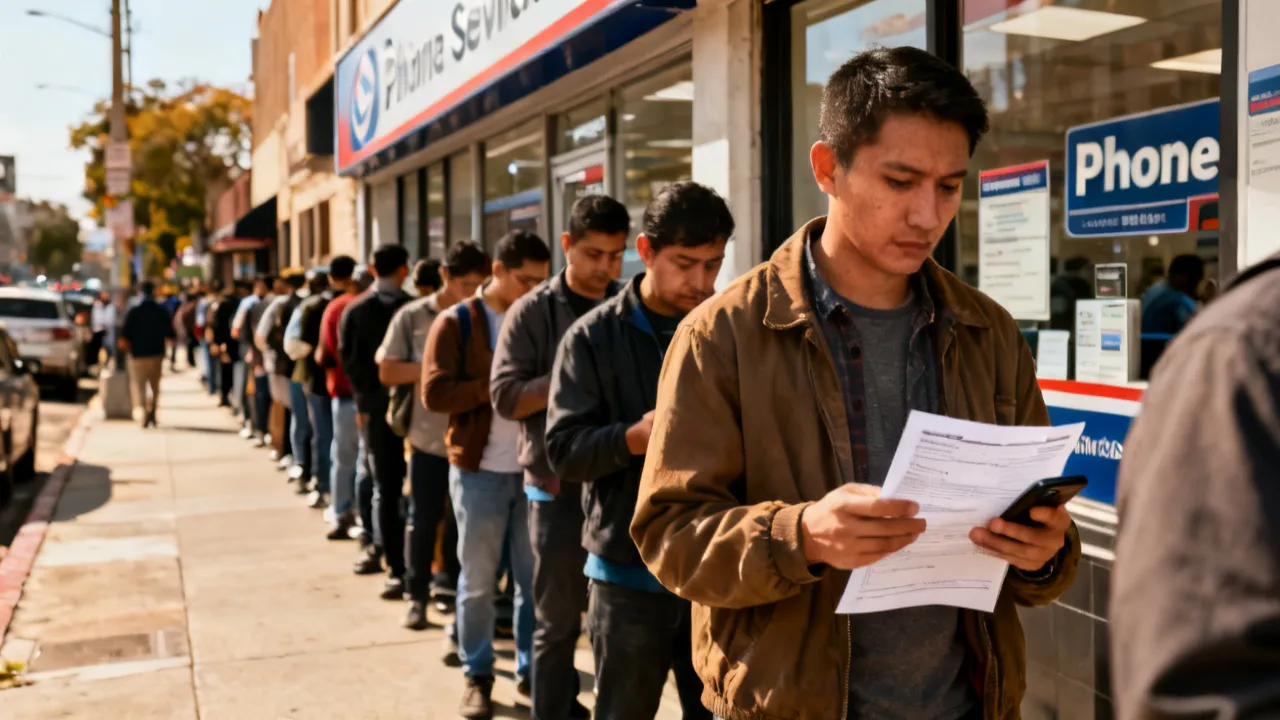
The application process generally begins with individuals completing an online form through the provider's website, providing necessary documentation to prove their eligibility. This may include tax returns, pay stubs, or official letters verifying participation in government assistance programs. Given the importance of digital literacy in today's society, providers like SafeLink, StandUp, and Access Wireless make the application process user-friendly, offering straightforward online application procedures. Assurance Wireless also provides its application through the Lifeline National Verifier, streamlining the verification process across the board.
Consumer Experiences and Case Studies
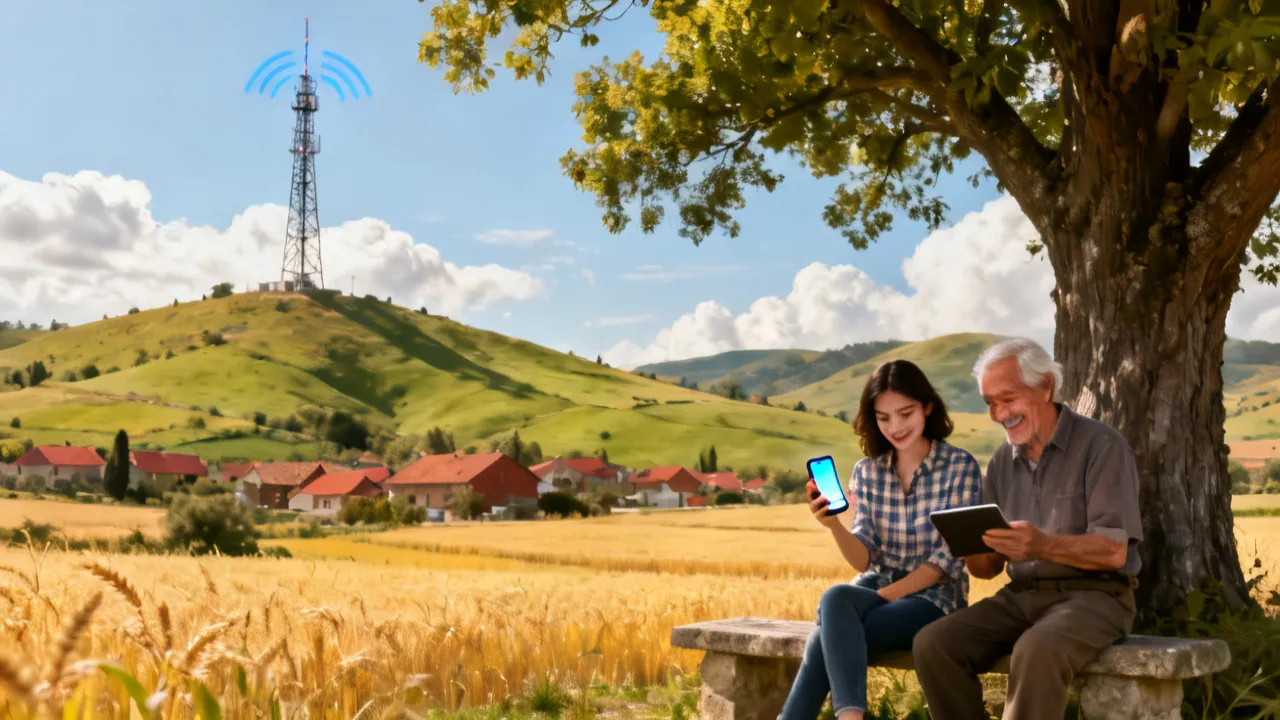
To appreciate the impact of these programs, it is essential to look into consumer experiences that reflect the positive changes brought about by government affordable phone initiatives. For instance, a mother of two, who relies on SNAP, shared how the low-cost service enabled her children to remain connected to their remote learning programs during the pandemic. Having a smartphone, she could easily communicate with teachers, participate in virtual meetings, and access educational resources—showing the significance of accessible technology in supporting education during challenging times.
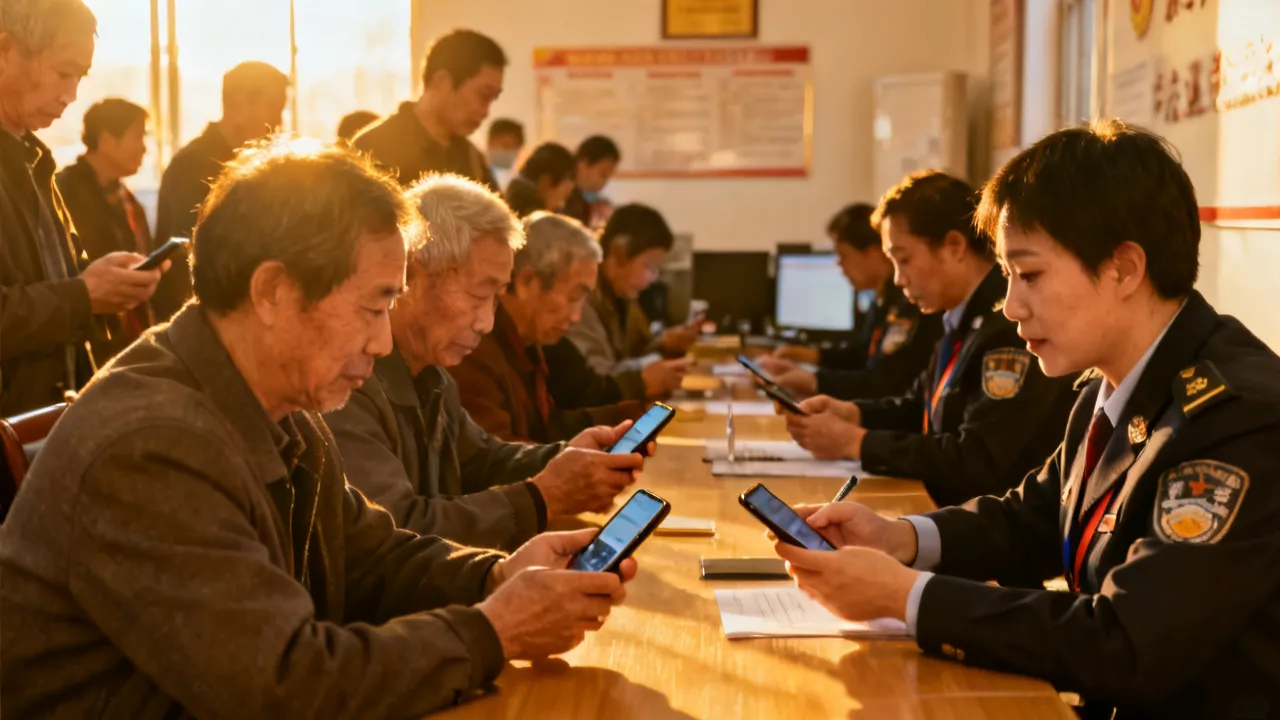
Another case involves a senior citizen who, after losing mobility, struggled to schedule medical appointments. With a subsidized phone, he could reach out to healthcare providers promptly, manage appointments, and utilize telehealth services without the added stress of managing high phone bills. These real-life stories underscore how affordable phone initiatives empower individuals and families, fostering independence, security, and access to essential services.
Frequently Asked Questions
- Who qualifies for the Government Affordable Phone programs? — Generally, those meeting specific income guidelines or recipients of federal assistance programs. This includes low-income families, senior citizens, and individuals with disabilities.
- What additional benefits are available for Tribal land residents? — Enhanced benefits are commonly provided for those living on Tribal lands, including higher discounts on services and a wider range of available plans, though specific offerings vary by program.
- What are the charges for device upgrades? — Costs for device upgrades depend on the provider and the chosen device, as outlined in the tailored packages above. It is advisable to inquire during the application process for clarity on potential costs.
- Can existing devices be used? — Yes, some providers, such as SafeLink and StandUp Wireless, permit users to bring their existing devices, making the transition smoother for individuals who already own compatible smartphones.
- How often can one apply for these services? — Applications are typically reviewed annually, though specific terms can vary based on the provider's policies. It is essential to stay informed regarding any changes in eligibility or application cycles.
The Broader Implications of Affordable Phone Programs
The impact of affordable phone initiatives extends beyond individual beneficiaries; they hold broader societal implications as well. In a world increasingly governed by digital communication, access to mobile devices and internet connectivity significantly influences employment opportunities, educational access, healthcare services, and civic engagement.
Research indicates that households with access to smartphones and data are more likely to seek employment and stay connected with job opportunities. Moreover, during public health crises, like the COVID-19 pandemic, those without access to reliable communication tools faced compounded challenges in securing health information and emergency services. Conversely, programs designed to address these challenges promote public health and safety, creating a more informed and resilient citizenry.
Future Directions and Innovations in Affordable Phone Initiatives
As technology continues to evolve, so must the approaches adopted by government affordable phone initiatives. Innovations may include partnerships with tech companies to provide the latest smartphones at no or low cost, as well as the expansion of high-speed data limits to meet increasing demands from consumers. Additionally, incorporating digital literacy programs into the application process could further empower beneficiaries, ensuring they are not only connected but also equipped to utilize their devices effectively.
Some advocates argue for an increased emphasis on digital equity, urging policymakers to consider how aspects like quality of service, device compatibility, and network accessibility vary by region or demographic group. Creating more equitable benchmarks could help to close the digital divide and foster a more inclusive society.
Conclusion
The government-backed phone service landscape is an essential resource for fostering equitable access to communication tools for low-income households. By understanding the eligibility and application process, users can maximize the benefits provided by these invaluable programs. Moreover, the stories and statistics surrounding these initiatives highlight their significant role in advocating for digital equity in the modern world.
Disclaimer
1) The information presented here is compiled from sources available as of October 2023. 2) We do not guarantee the acquisition of a government-provided phone. For precise eligibility requirements and application guidelines, please refer to provider-specific resources. This platform does not update in real-time.
References
Sources for more detailed information can be found on the respective provider websites listed above. Additionally, academic studies analyzing the impact of such programs, government reports on telecommunications access, and consumer feedback on service experiences can provide further insights into the effectiveness of affordable phone initiatives.
Call to Action
To facilitate greater awareness and access, those who qualify for government affordable phone initiatives should actively explore available options. Engaging with local community organizations can also provide guidance and assistance in navigating the application process. Furthermore, advocating for enhanced services, greater awareness of digital equity issues, and innovative solutions to connectivity challenges can contribute to lasting improvements in access to crucial communication services.